


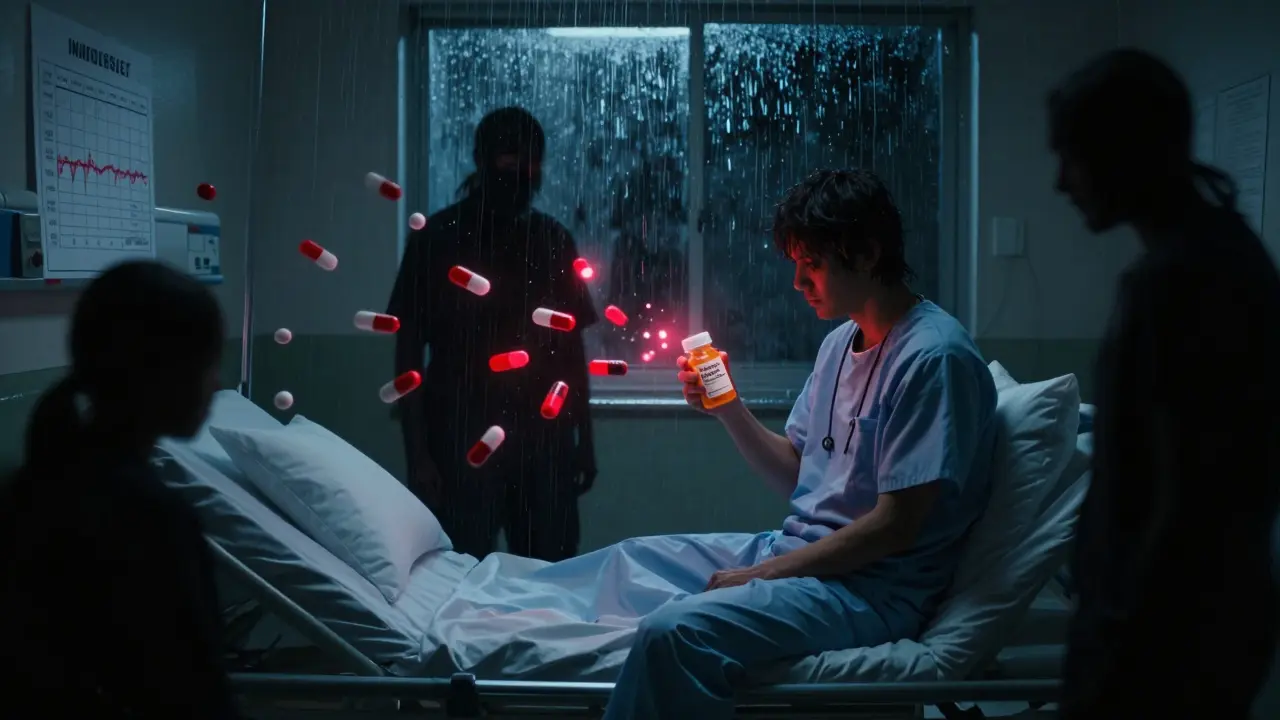

It’s supposed to be the same drug. Same active ingredient. Same dose. Same price. So why does it sometimes feel like your generic medication just... doesn’t work?
For millions of people, switching from a brand-name drug to its generic version is a simple cost-saving step. But for some, it’s the start of something worse: a sudden drop in effectiveness, unexpected side effects, or even a dangerous health setback. When a generic drug fails to deliver the expected therapeutic result, it’s not just frustrating-it can be life-threatening.
What Exactly Is a Therapeutic Failure?
A therapeutic failure happens when a medication doesn’t do what it’s supposed to. You’re taking it as prescribed, but your symptoms don’t improve-or they get worse. In the case of generics, this often isn’t because your condition changed. It’s because the drug in your pill bottle didn’t behave the way it should.
The FDA requires generics to be bioequivalent to the brand-name version. That means they must release the same amount of active ingredient into your bloodstream within a certain range: 80% to 125% of the original drug’s levels. Sounds precise, right? But here’s the catch: that’s a 45% window. For drugs like warfarin, lithium, or phenytoin-where the difference between a therapeutic dose and a toxic one is razor-thin-that margin is dangerously wide.
Why Do Some Generics Fail?
It’s not just about the active ingredient. The problem often lies in what’s not listed on the label: the inactive ingredients.
These fillers, coatings, and binders might seem harmless, but they control how quickly the drug dissolves in your stomach. A pill that dissolves too fast can flood your system with too much drug at once. One that dissolves too slow might not release enough at all. That’s why Teva’s generic version of Wellbutrin XL, called Budeprion, was pulled from the market in 2013. Patients reported severe mood swings, anxiety, and even suicidal thoughts. The issue? The inactive ingredients changed how the drug was released-turning a once-daily tablet into something that acted like multiple doses at once.
Manufacturing inconsistencies are another major cause. A 2025 investigation by STAT News found that some generic chemotherapy pills contained as little as 72.5% of the labeled active ingredient. Others had over 112%. In one case, pills from the same blister pack had wildly different amounts of drug. Imagine taking a pill today that works, then another tomorrow that barely does anything-your body never knows what to expect.
Even stability matters. Some generics degrade faster than others, especially in hot, humid climates. If a bottle sits in a warehouse in India or a shipping container in Singapore before reaching your pharmacy, the active ingredient might already be breaking down. That’s why a generic warfarin bought in Melbourne might behave differently than one bought in Texas-even if they’re made by the same company.
High-Risk Drugs: Where the Margin for Error Vanishes
Not all drugs are created equal. Some have what’s called a narrow therapeutic index (NTI). These are medications where a tiny change in blood level can mean the difference between healing and harm.
- Warfarin: Too little = blood clots. Too much = internal bleeding.
- Phenytoin: Too little = seizures return. Too much = brain toxicity.
- Digoxin: Too little = heart failure worsens. Too much = fatal arrhythmias.
- Tacrolimus: Too little = organ rejection. Too much = kidney damage.
For these drugs, the FDA allows stricter bioequivalence standards-90% to 111%. But not all generics follow this. A 2024 study showed that multiple sclerosis patients who relapsed had been taking generics with doses as low as 72.5% of what they needed. Those who stayed stable? Their generics were within 97% to 103%.
It’s not theoretical. Patients have had transplants fail. Seizures returned after years of control. Cancer treatments stopped working. And in some cases, patients were hospitalized for toxicity from a generic that released too much drug too fast.
Who’s Responsible?
It’s easy to blame the manufacturer. But the system is layered.
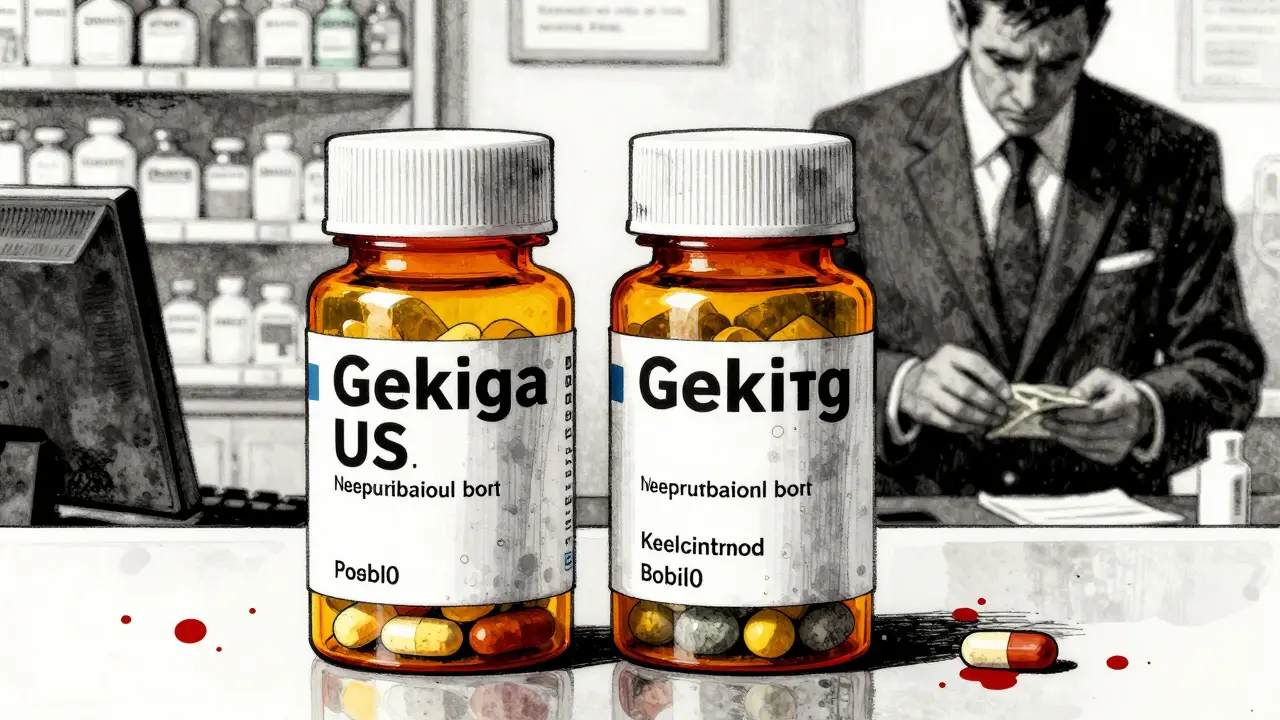
Many generic drugs are made in countries with weaker oversight. The FDA inspects only a fraction of overseas factories. And when a batch fails, it’s often not the whole lot that’s recalled-just one lot number. You might get the bad one. The next person gets the good one.
Pharmacy Benefit Managers (PBMs)-the middlemen who negotiate drug prices for insurers-push for the cheapest generic, regardless of quality. They don’t track patient outcomes. They track cost-per-pill. And since most patients don’t know the difference between generics, they never complain.
Doctors, too, may not realize the issue. If a patient’s condition worsens after a switch, it’s often assumed the disease is progressing-not that the drug changed. That delay can cost precious time.
What You Can Do
You’re not powerless. Here’s how to protect yourself:
- Ask your pharmacist: When you get a refill, ask if it’s the same generic as last time. If it changed, ask why. Some pharmacies will let you stick with the same manufacturer if you request it.
- Track your symptoms: Keep a simple log. Note when you switched generics and what changed-energy levels, mood, side effects, test results. This helps your doctor connect the dots.
- Request brand-name if needed: For NTI drugs, you have the right to ask for the brand version. Insurance may require prior authorization, but many will approve it if you document therapeutic failure.
- Check recalls: The FDA website lists drug recalls. If your generic is pulled, contact your pharmacy immediately.
- Don’t assume all generics are equal: Two generics with the same name can be made by different companies with different formulations. Stick with one you know works.
When to Suspect a Generic Is the Problem
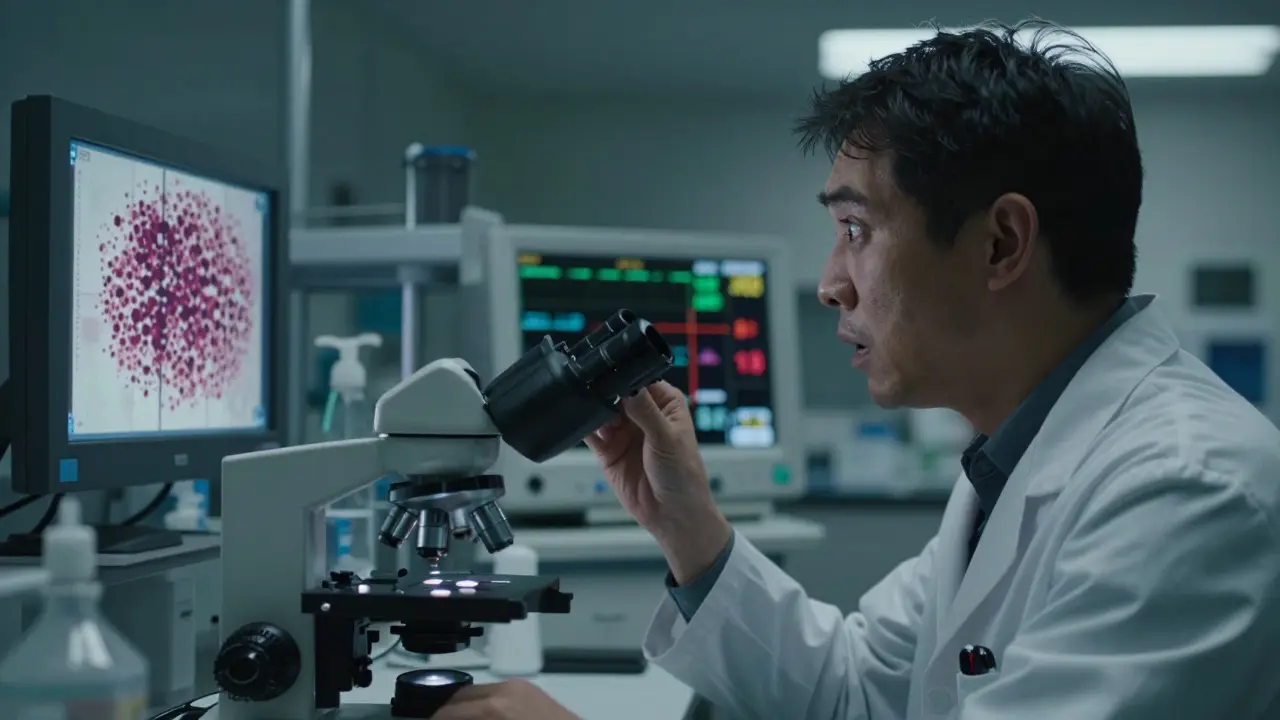
Watch for these red flags after switching to a generic:
- New or worsening side effects that weren’t there before
- Sudden loss of effectiveness (e.g., seizures returning, blood pressure spiking, depression worsening)
- Lab results that suddenly fall out of target range (INR for warfarin, drug levels for tacrolimus)
- Feeling worse after a refill, even though you didn’t change your dose
If you notice any of these, don’t wait. Talk to your doctor. Ask for a drug level test if available. And don’t be afraid to say: ‘This isn’t working like it used to.’
The Bigger Picture
Generic drugs saved billions in healthcare costs. That’s a good thing. But cost shouldn’t come at the cost of safety. The system is built on trust-that a pill labeled ‘simvastatin’ is the same no matter who made it. But evidence shows that’s not always true.
Regulators are starting to pay attention. The FDA has tightened rules for NTI drugs and increased inspections. But global supply chains are complex. Profit motives are strong. And patients are often the last to know when something goes wrong.
Until transparency improves, you need to be your own advocate. Your health isn’t a commodity. It’s not a line item on a balance sheet. It’s your life. And if a generic drug isn’t working, it’s not your fault. It’s a system failure-and you have the right to demand better.
Can a generic drug really be less effective than the brand name?
Yes. While most generics work just as well, differences in inactive ingredients, manufacturing quality, or stability can cause some generics to release the active drug too slowly, too quickly, or inconsistently. This is especially risky for drugs with a narrow therapeutic index, like warfarin or phenytoin, where small changes in blood levels can lead to serious side effects or treatment failure.
How do I know if my generic drug is causing problems?
Watch for sudden changes after switching: worsening symptoms, new side effects, or lab results that move out of range. Keep a symptom log and note the date you switched generics. If you suspect an issue, don’t stop the drug-contact your doctor. They can check drug levels, switch you back, or request the brand version.
Are all generic drugs unsafe?
No. The vast majority of generic drugs are safe and effective. Problems are rare but real-and concentrated in certain high-risk categories like anticoagulants, anti-seizure meds, immunosuppressants, and some cancer drugs. The issue isn’t generics as a whole, but inconsistent quality control across manufacturers and supply chains.
Can I ask my pharmacy to give me the same generic every time?
Yes. Pharmacists can often fill prescriptions with the same generic manufacturer if you request it. Ask for the name of the manufacturer on the bottle. If you’ve had success with one brand, ask them to stick with it. Some pharmacies will even note your preference in your profile.
Why do insurance companies push generics so hard?
Insurance companies and Pharmacy Benefit Managers (PBMs) are paid based on the lowest cost per pill. They profit from switching patients to the cheapest generic, even if it’s from a manufacturer with poor quality control. They don’t track patient outcomes-only cost savings. That creates a financial incentive to prioritize price over performance.
If you’re on a critical medication and your generic isn’t working, you’re not alone-and you’re not overreacting. Demand clarity. Demand consistency. And don’t settle for a pill that might not be doing what it’s supposed to.


Anna Weitz
28 Dec 2025 at 07:50So we're just supposed to trust that a pill made in some factory in India with no oversight is gonna keep me alive?
My mom died because they switched her warfarin and no one noticed until her INR was 8.5
It's not paranoia it's survival