



What Is Really Inside That Cloud?
When you pick up an e-cigarette, it often feels harmless. It doesn't smell like burning tobacco, and there is no ash to clean up. Many people think because they aren't inhaling smoke, their lungs are safe. But the reality is far more complex than that.
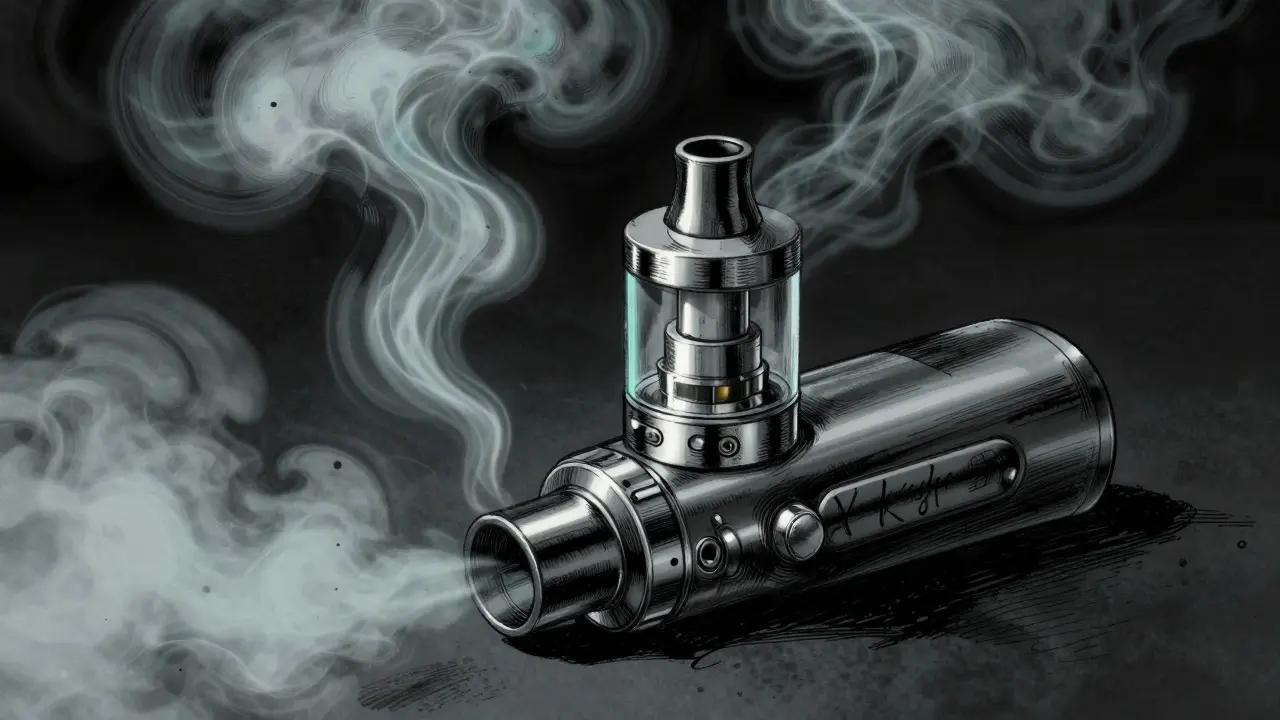
An e-cigarette uses heat to turn liquid into an inhalable aerosol rather than burning leaves. This Vapormist created by vaping devices isn't just water. It carries specific chemicals straight into your airways. The National Academies of Sciences, Engineering, and MedicineA leading US scientific organization that published a major 2018 consensus report on electronic cigarettes reviewed over 800 studies in 2018. Their finding was blunt: using these devices causes health risks. They confirmed the liquids contain and emit potentially toxic substances.
You might know about NicotineA highly addictive stimulant found in tobacco and many e-liquids that affects blood pressure and heart rate, but what about the base fluid? Most e-liquids rely on Propylene GlycolA chemical solvent used to carry flavor and nicotine in vaping liquids and vegetable glycerin. A study from the University of North Carolina found that these carriers are toxic to cells. In fact, the more ingredients added to the e-liquid, the higher the toxicity level becomes.
Immediate Damage: The Invisible Threat
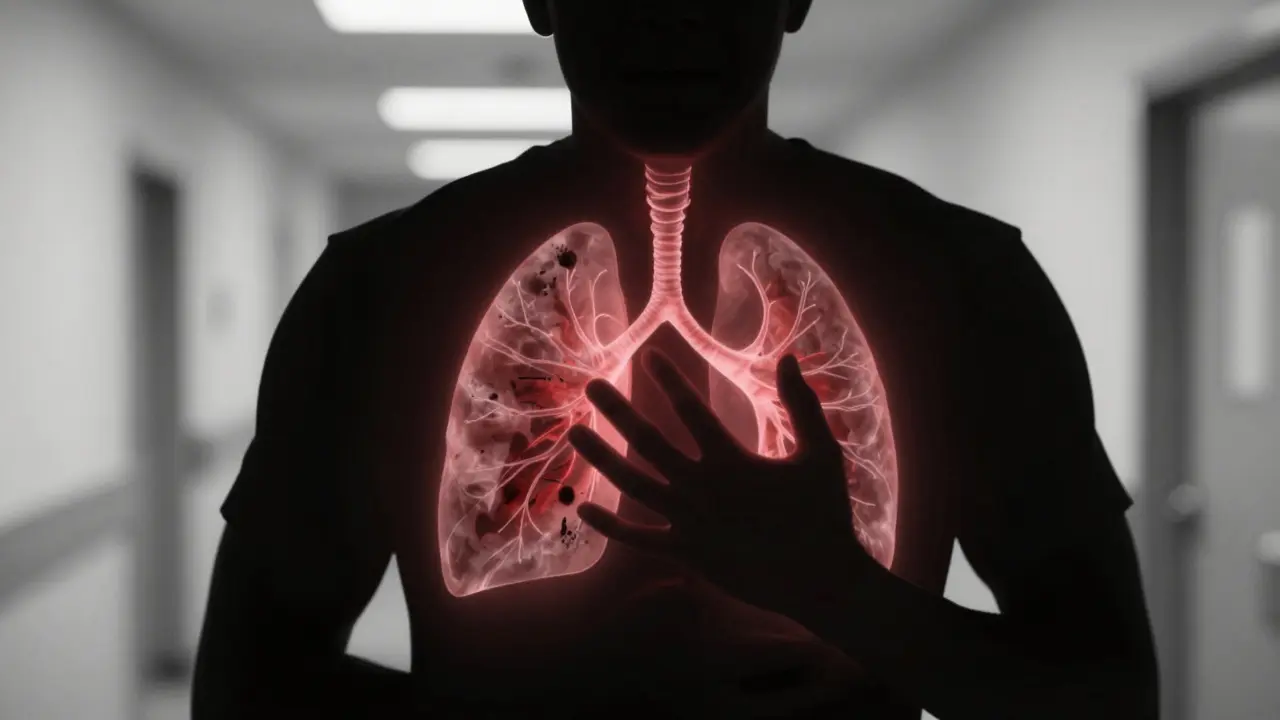
Your lungs have a delicate lining designed to filter particles and fight infection. When you inhale Vaping AerosolThe mist inhaled from e-cigarettes containing suspended particles and chemicals, you disrupt this barrier. The American Lung Association highlights specific dangerous chemicals found in this vapor. We are talking about acetaldehyde, acrolein, and formaldehyde. These aren't abstract concepts; they are real irritants that trigger inflammation.
Imagine walking through a room filled with car exhaust fumes. Benzene is a volatile organic compound found in that exhaust, yet it shows up in some e-cigarette emissions. Then consider the metals. Nickel, tin, and lead have been detected in the vapor. Even without visible particulate matter, your immune system reacts to these invaders. This leads to chronic coughing, wheezing, or shortness of breath even in people who never smoked tobacco before.
The Centers for Disease Control and PreventionCDC, the national public health agency in the United States tracking infectious diseases and health risks notes that breathing in these aerosols can irritate the lungs and make existing conditions like asthma or bronchitis worse. You don't have to have symptoms right away to be taking damage. The irritation happens at the cellular level first, often silent until it becomes significant.
Understanding EVALI: A Real-World Warning
In 2019, something shocking happened across the United States. Thousands of people were hospitalized with severe lung injuries directly linked to vaping. This event was labeled EVALIE-cigarette or Vaping Use-Associated Lung Injury, a condition causing severe lung inflammation. While the primary culprit was identified as vitamin E acetate used in THC-containing products, the outbreak sent a ripple effect through the medical community.
It taught us a vital lesson: unregulated substances in vaping products can cause rapid, severe consequences. While many users were caught off guard, the underlying mechanism was chemical injury to the lung tissue. If you experience chest pain, persistent cough, or shortness of breath after vaping, these are red flags that warrant immediate evaluation by a pulmonary specialist. You cannot ignore signs that your body is rejecting the substance you are inhaling.
The Long Game: COPD and Chronic Disease
It isn't just about acute illness. What happens after months or years of regular use? Research published in NIH PMC shows a worrying trend. Current users of e-cigarettes have significantly higher odds of developing Chronic Obstructive Pulmonary DiseaseCOPD, a progressive condition characterized by reduced airflow and difficulty breathing compared to non-users. The pooled odds ratio indicates a roughly 48% higher risk for vapers. That is not a negligible number.
The connection to AsthmaA chronic inflammatory disease affecting the airways causing recurring episodes of wheezing is equally concerning. Studies show an increase in asthma exacerbations among youth who vape. Your lungs' immune defenses get suppressed by the vapor. The American Thoracic Society research demonstrates that e-cigarette vapor suppresses key immune defenses in the lungs. This makes you more vulnerable to respiratory infections like pneumonia and bronchitis.
| Health Factor | Traditional Cigarette Smoking | E-Cigarette Vaping |
|---|---|---|
| Carcinogens | High (Tar, Polycyclic Aromatics) | Lower, but present (Formaldehyde, Acetaldehyde) |
| Airway Inflammation | Severe | Moderate to Severe |
| Nicotine Content | Variable | Often Higher or More Potent |
| EVALI Risk | None | Yes (Specifically with contaminants) |
| Lung Function Impact | Significant Decline | Documented Impairment |
While data suggests vaping is substantially less harmful than smoking combustible tobacco, "less harmful" does not mean "harmless." Dr. NeSmith noted in a 2025 article that chronic exposure to vaping chemicals alters lung cells. These changes contribute to inflammation which may increase the risk of cancer over time. We simply don't have the decades of data we have for cigarettes, but early signals are troubling.
The Youth Problem: Why Teens Are Vulnerable
Why are teenagers seeing higher rates of respiratory symptoms? The National Academies report highlighted increased youth usage back in 2018, and the situation has evolved since then. Teenage lungs are still developing. Introducing foreign chemicals during this critical growth phase can permanently alter function.
We see a rise in young adults who've never smoked before becoming addicted through vaping. Once nicotine dependency sets in, quitting becomes difficult. But beyond addiction, there is physical harm. Symptoms include decreased exercise tolerance and recurring bronchitis. Schools report students coughing constantly. Parents notice a child getting tired faster than peers. These are tangible signs of compromised lung health.

Secondhand Exposure Is Not Zero
Many assume that because there is no smoke, bystanders are safe. This is incorrect. The U.S. Surgeon General concluded in 2016 that secondhand e-cigarette emissions contain nicotine, ultrafine particles, and hazardous compounds. If you are pregnant, elderly, or suffering from respiratory issues, being near someone vaping puts you at risk. Children exposed to secondhand vapor face similar dangers regarding immune suppression.
Can You Recover? Steps to Protect Your Lungs
If you vape, understanding your risk is the first step toward mitigating it. For those considering switching from smoking, the safest choice is to quit both entirely. Recovery varies based on duration and intensity of use. Some inflammatory changes might reverse within weeks of stopping. However, the certainty of long-term recovery remains uncertain without more longitudinal studies.
- Monitor Symptoms: Watch for persistent cough, tightness, or breathlessness.
- Avoid Flavorings: Some flavor agents are linked to lung disease risks.
- Regular Checkups: Discuss vaping history with your doctor annually.
- Check Ingredients: Avoid products with unknown additives or high nickel levels.
No matter how you inhale nicotine-you're putting your lungs under stress. The timeline for recovery depends heavily on when you stop. Do not wait until symptoms appear to take action.
Is vaping safer than smoking traditional cigarettes?
Research suggests vaping introduces fewer carcinogens than tobacco smoke, but it is not risk-free. It eliminates tar but introduces its own toxicants like formaldehyde and heavy metals.
Can vaping cause lung damage even if I am not a smoker?
Yes. Studies show non-smoking vapers have higher risks of respiratory symptoms, COPD, and asthma issues compared to non-users.
What is EVALI and should I worry about it?
EVALI stands for E-cigarette or Vaping Use-Associated Lung Injury. It involves severe lung inflammation often linked to adulterated THC products, but any severe lung reaction warrants medical attention.
Does flavored e-liquid affect my health differently?
Flavorings often contain chemicals like diacetyl, linked to serious lung disease. Complex flavors with more ingredients generally increase toxicity to lung cells.
Will my lungs heal if I quit vaping?
Some inflammation may resolve over time, but the extent of long-term recovery depends on how long and how intensively you vaped.









James DeZego
1 Apr 2026 at 05:41The breakdown of chemicals like acetaldehyde is really eye opening for most users! 😮
It shows how much marketing hides behind the product safety claims. People think they are safe because it does not burn tobacco leaves. The reality involves heating fluids that release distinct carcinogens. Formaldehyde detection in vapor is something I read in the CDC reports too. 👍