


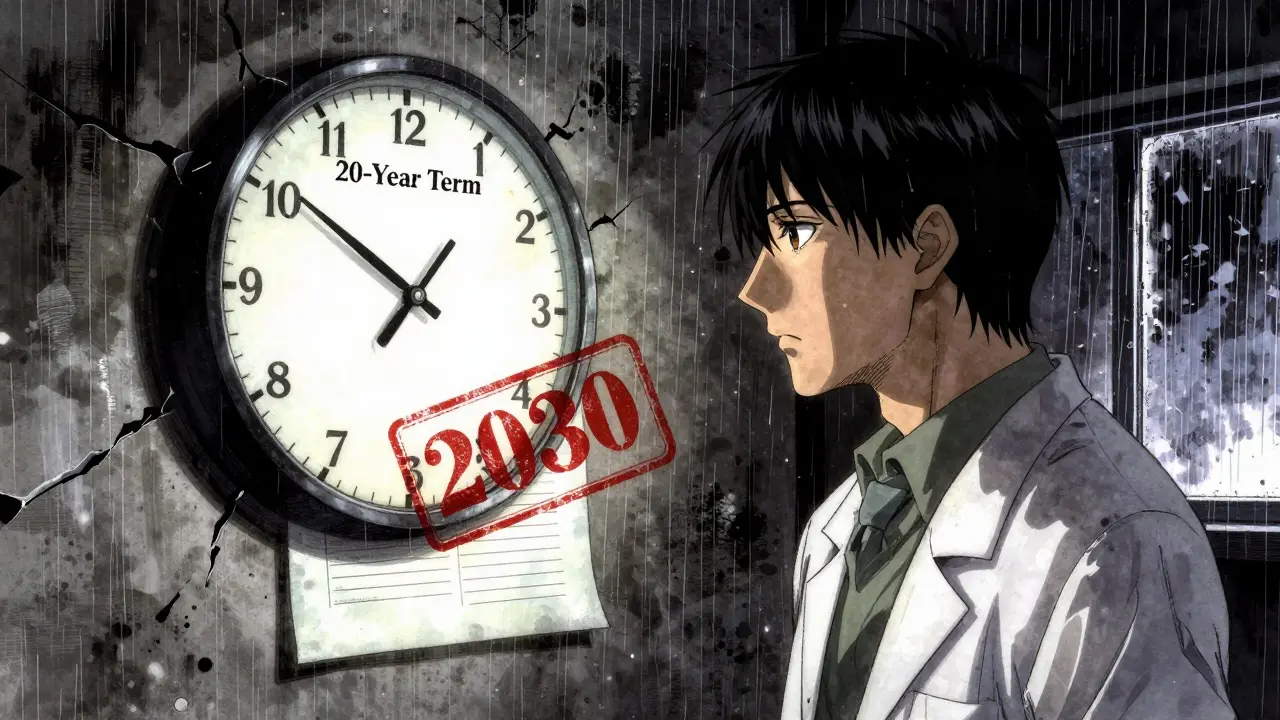

Imagine spending 12 years and $2.6 billion to develop a new drug. You finally get FDA approval. But your patent? It’s already expired. That’s not a mistake-it’s the reality for many pharmaceutical companies. That’s where patent term restoration comes in. It’s not a loophole. It’s a legal fix built into U.S. law to make up for time lost waiting for government approval.
Why Patent Term Restoration Exists
The U.S. patent system gives inventors 20 years of protection from the date they file. Sounds fair, right? But for drugs, the clock starts ticking long before the product even hits the market. Clinical trials, safety studies, FDA reviews-they take years. By the time a drug gets approved, 7 to 10 years of patent life might already be gone. That leaves only a few years to recoup costs before generics can copy it. That’s where the Hatch-Waxman Act of 1984 stepped in. Named after Senator Orrin Hatch and Representative Henry Waxman, this law created Patent Term Restoration (PTE) to balance two goals: letting generics enter the market faster, and giving innovators enough time to profit. Without PTE, companies wouldn’t invest in new drugs. The math just doesn’t add up.How PTE Actually Works
PTE doesn’t give you back every day lost. There’s a strict formula:- Regulatory Review Period (RRP): Total time from when you submit your application to the FDA until approval.
- Pre-Grant Regulatory Review Period (PGRRP): Time before the patent was granted but after you filed for it.
- Days of Due Diligence (DD): Any delays caused by the applicant-not the FDA.
- Total Patent Term (TP): The original 20-year term.
Who Qualifies for PTE?
Not every patent qualifies. Only these types of products can apply:- Human drugs
- Medical devices
- Food additives
- Color additives
- Animal drugs (added in 1988)

The Application Process: High Risk, High Reward
You have just 60 days after FDA approval to file for PTE. Miss that window? You lose it forever. That’s why pharmaceutical companies run tight timelines. The patent team has to work hand-in-hand with regulatory affairs, legal, and clinical teams. A single missing document can get your application denied. The USPTO denies about 12.7% of PTE applications. Why? Most often, it’s because the applicant couldn’t prove continuous due diligence. The FDA doesn’t just want dates-they want day-by-day records. Emails, lab logs, meeting minutes, FDA correspondence. If you can’t show you were pushing the process forward every single day, they’ll cut your extension. One patent attorney on Reddit shared that their team lost a 3-year extension because they didn’t save a single email from a 10-day gap in regulatory feedback. That’s not a glitch-it’s the rule.Interim Extensions: A Lifeline for Late-Stage Drugs
What if your patent expires in six months, but FDA approval is still pending? You don’t have to lose protection. You can apply for an interim extension. This temporary boost keeps your patent alive while you wait. You can file it between six months and 15 days before your patent expires. It’s not automatic-it still needs approval-but it’s a critical safety net for drugs close to market.What PTE Can’t Do
It’s easy to think PTE gives you a blank check. It doesn’t. Here’s what’s off-limits:- You can’t extend a patent that’s already expired.
- You can’t extend the same product twice.
- The extended rights only cover the same uses listed in the original patent.
- You can’t use PTE to block generics from making different versions of your drug.
Controversy: Is PTE Too Powerful?
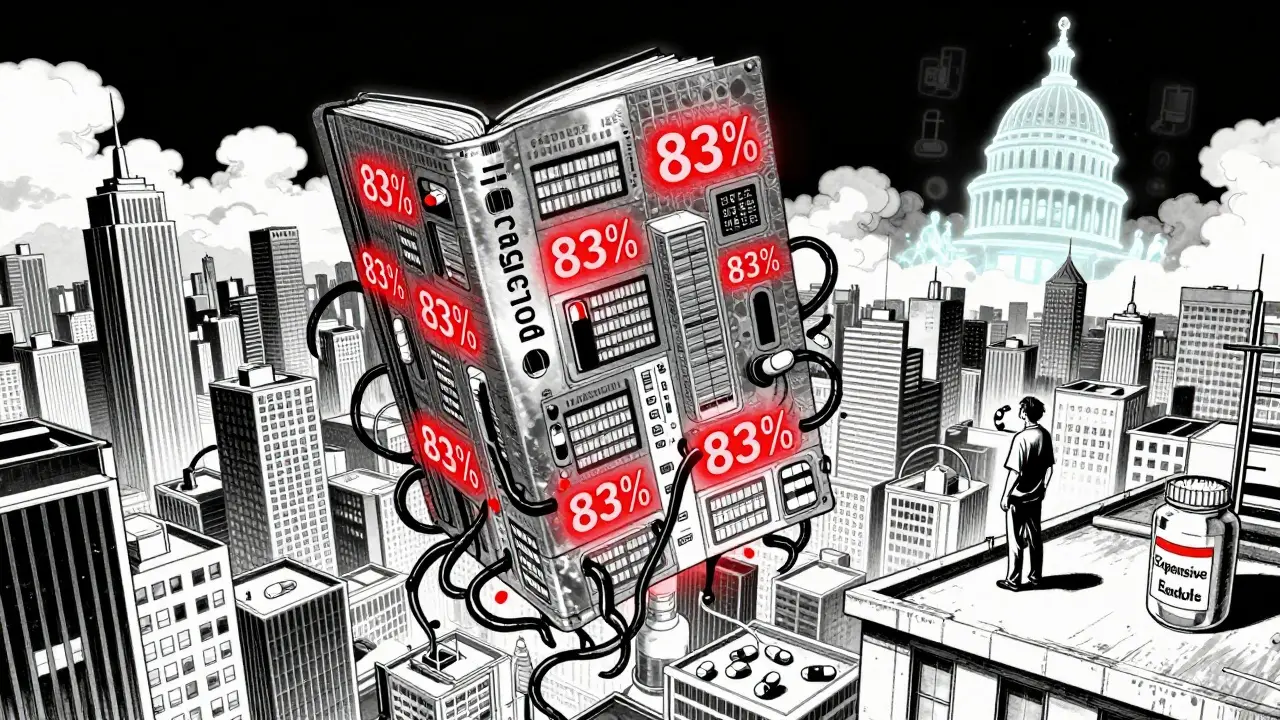
PTE was meant to be fair. But critics say it’s been abused. A 2022 Yale Law study found that 91% of drugs that got PTE still held monopolies years after the extension ended-thanks to secondary patents, litigation, and other tactics. The Congressional Budget Office estimates PTE adds $4.2 billion a year to U.S. drug spending. The FTC reports that drugs with PTE keep 92% of their market share during the extension period. Once generics enter, that drops to 37%. That’s not just competition-it’s a market collapse. Some experts, like James Love from Knowledge Ecology International, call it a “patent thicket.” Companies pile on dozens of minor patents to stretch exclusivity far beyond what Congress intended. The FDA’s own Orange Book lists over 22,000 patents on approved drugs, and 83% of new drugs have at least one eligible for extension.Recent Changes and What’s Next
In January 2024, the FDA released new guidance on due diligence. They’re tightening the rules on what counts as “continuous progress.” A 2024 Federal Circuit case, Eli Lilly v. USPTO, made it harder to claim time back for delays that weren’t clearly the FDA’s fault. The FDA is also planning a digital submission platform for PTE applications by mid-2026. That should cut processing times from 217 days to under 150. And biologics-complex drugs made from living cells-are now the fastest-growing category for PTE. In 2023, 34% of applications were for biologics, up from 19% in 2018. Meanwhile, lawmakers are considering the Preserve Access to Affordable Generics and Biosimilars Act, which could limit how companies stack patents to extend exclusivity. The Government Accountability Office is set to release a full review of PTE’s impact on drug prices in December 2025. Changes could be coming.What This Means for You
If you’re a patient, PTE means your brand-name drug stays expensive longer. But it also means companies keep investing in new treatments. If you’re a pharmacist or healthcare provider, you’ll see more drugs hit the market with extended exclusivity-delaying cheaper generics. If you’re in the industry, PTE isn’t paperwork. It’s survival. The system isn’t perfect. But without it, we’d have fewer new drugs. The real question isn’t whether PTE should exist-it’s how to make sure it serves patients, not just profits.Can any drug get a patent extension?
No. Only human drugs, medical devices, food additives, color additives, and animal drugs qualify. The patent must cover a product that went through FDA review. Over-the-counter supplements, vitamins, and cosmetics don’t qualify.
How long does a PTE last?
The maximum extension is five years. But the total patent life after extension can’t exceed 14 years from the date the FDA approved the product. So even if you lost seven years to review, you won’t get more than five years back.
What happens if I miss the 60-day deadline to apply for PTE?
You lose it permanently. There are no exceptions. The 60-day window starts the day the FDA approves the product. Many companies lose extensions because their legal team didn’t coordinate with regulatory affairs. It’s not a paperwork delay-it’s a business risk.
Can I extend more than one patent for the same drug?
No. Only one patent per product can be extended under PTE. Companies often file multiple patents on the same drug-on formulations, dosages, delivery systems-but only one gets the extension. The one chosen is usually the one with the most commercial value.
Is PTE the same as patent term adjustment (PTA)?
No. PTA makes up for delays caused by the USPTO, like slow patent examiners. PTE makes up for delays caused by the FDA during drug approval. Two different agencies, two different reasons, two different rules.
Do generics still come out after PTE ends?
Yes. Once the extended patent expires, generics can legally enter the market. But many companies use other tactics-like filing new patents on minor changes or suing generics-to delay entry. PTE ends one form of exclusivity, but not always the monopoly.
How do I know if a drug has a patent extension?
Check the FDA’s Orange Book. It lists all approved drugs and their patents, including any extensions. The patent number and extension date are clearly marked. Pharmacists and insurers use this to track when generics can launch.







Nicholas Miter
26 Jan 2026 at 20:27Been in pharma for 15 years. PTE isn’t perfect, but without it, we wouldn’t have half the drugs we rely on today. The system’s messy, sure-but it’s messy because science is messy. You can’t rush cancer treatments just to hit a patent deadline.