


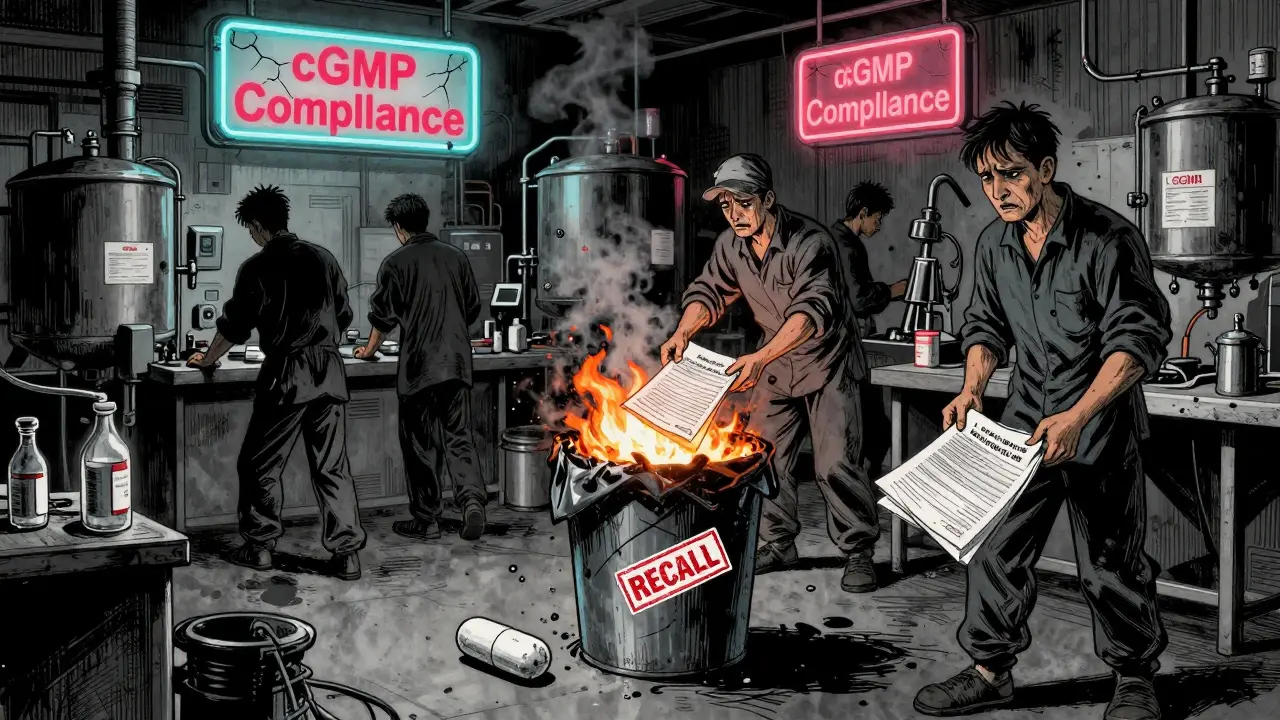

When you pick up a generic pill at the pharmacy, you expect it to work just like the brand-name version. But what if it doesn’t? Behind many of these failures are hidden problems in the factories where these drugs are made. These aren’t rare mistakes-they’re systemic issues tied to how generic drugs are produced, inspected, and regulated around the world.
What Goes Wrong in Generic Drug Manufacturing?
Generic drugs are supposed to be identical in strength, safety, and effectiveness to their brand-name counterparts. But that’s not always true. The core problem lies in Current Good Manufacturing Practices (cGMP). These are the rules that ensure drugs are consistently produced and controlled to meet quality standards. When these rules are ignored or poorly followed, the consequences can be serious. Common failures include:- Improper handling of active ingredients, leading to contamination
- Inadequate testing for impurities like N-nitrosodimethylamine (NDMA), a known carcinogen found in recalled blood pressure medications
- Use of unapproved or substandard raw materials
- Faulty packaging that lets moisture in, ruining the drug’s stability
- Missing or falsified data from quality control tests
Why Are Foreign Plants More Likely to Fail?
About 80% of the active ingredients in U.S. drugs come from foreign factories, mostly in China and India. But inspection data shows these facilities have far more problems than U.S.-based ones. In 2022, FDA inspections found 28.6% more violations at Chinese plants and 19.3% more at Indian plants compared to American ones. One big reason? Inspection timing. The FDA can show up unannounced at U.S. factories. But for foreign sites, they have to give notice-sometimes months in advance. That gives manufacturers time to clean up, hide problems, or even create fake records just for the visit. One 2022 inspection at an Indian plant caught an employee literally throwing quality control documents into a trash can filled with acid. A 2023 study from Ohio State University found that generic drugs made in India caused 23.7% more severe side effects than those made in the U.S. This isn’t about skill-it’s about systems. Many foreign plants operate on razor-thin margins. When drug prices drop 18% a year, as they did between 2018 and 2022, companies cut corners on testing, training, and equipment.The Hidden Cost of Cheap Drugs
The generic drug market is worth over $420 billion. But the pressure to be the cheapest supplier has created a race to the bottom. Manufacturers have cut quality control budgets by nearly 23% in the last five years. Meanwhile, the cost of FDA approval for a generic drug jumped 63% from 2018 to 2023. This mismatch creates a dangerous gap. Companies can’t afford to invest in modern quality systems like Quality by Design (QbD), which builds safety into the process from the start. Only 24% of generic manufacturers have fully adopted QbD. The rest rely on old-school testing-checking the final product instead of preventing problems during production. The result? More recalls. In 2022 alone, 3,944 drug products were pulled from shelves because of quality issues. Nearly 59% of all drug shortages that year were linked to manufacturing problems at foreign plants. Critical meds like heparin (a blood thinner) and nitroglycerin (for heart attacks) were affected.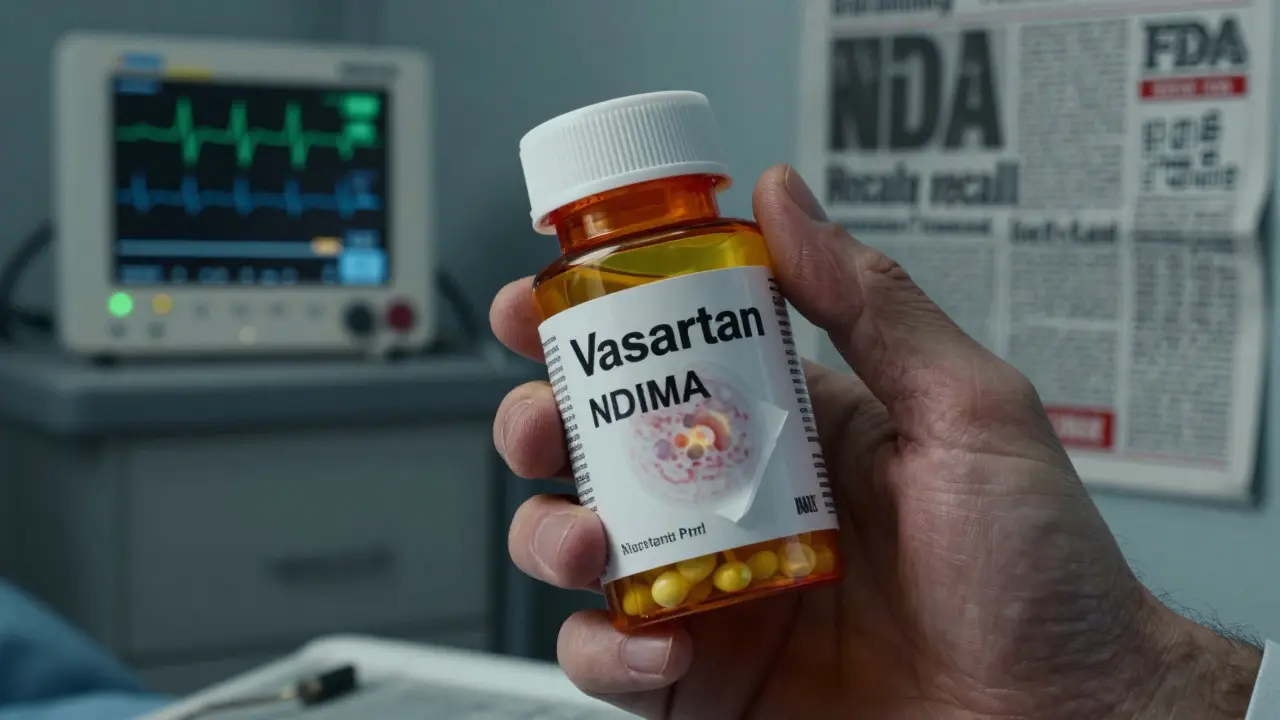
What Gets Missed During Inspections
The FDA inspects only about 13% of foreign facilities each year. With over 3,000 plants exporting drugs to the U.S., that’s not enough. And even when they do inspect, they rarely test the actual pills. The FDA doesn’t routinely test imported drugs in labs. In fact, only 0.02% of shipments get analyzed for content, purity, or potency. Instead, they rely on what the manufacturer says. That’s risky. In 2022, nearly 19% of FDA Form 483 observations (inspection reports) pointed to poor data integrity-fake records, missing audit trails, or passwords that weren’t protected. One of the most dangerous blind spots is with Narrow Therapeutic Index (NTI) drugs-medications where even a tiny change in dose can cause harm. Think warfarin, lithium, or tacrolimus. FDA data shows that 37% of complete response letters (denials) for generic approvals were for NTI drugs. A 2021 Harvard study found that some generic tacrolimus capsules had 28.4% more variation in blood levels than the brand version. For transplant patients, that could mean rejection or toxicity.How Patients and Pharmacies Are Affected
It’s not just regulators who notice the problem. Pharmacists are seeing it firsthand. A 2022 survey by the American Society of Health-System Pharmacists found that 67% of hospital pharmacists had experienced a therapeutic failure with a generic drug in the past year. Over 42% pointed to products made in India. Patients are noticing too. On Drugs.com, generic valsartan from one Indian manufacturer had an average rating of 3.2 stars-compared to 4.1 for U.S.-made versions. Nearly 30% of reviews mentioned the drug “didn’t work” or “felt different.” The FDA’s own adverse event database recorded 1,842 reports linked to generic drug quality issues between 2019 and 2022. One batch of nitroglycerin tablets from Impax Laboratories failed to dissolve properly, leading to heart attack patients not getting relief. That’s not just a quality issue-it’s a life-or-death failure.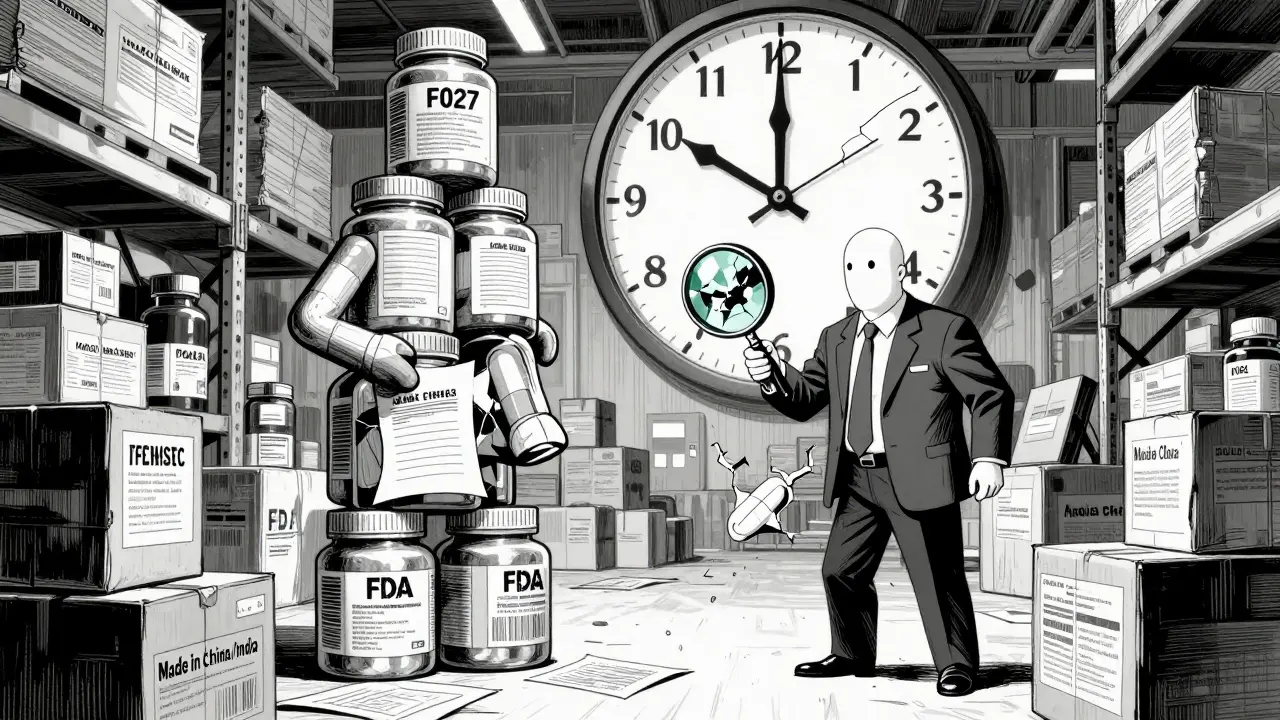
What’s Being Done-and What’s Not
The FDA has started to respond. In 2022, they issued 147 warning letters for cGMP violations, up 28.5% from the year before. The 2022 FDA User Fee Reauthorization added $56.7 million to boost foreign inspections, aiming to raise them from 1,200 to 1,800 per year by 2027. The European Medicines Agency (EMA) went further. Since January 2023, they’ve done unannounced inspections on all foreign facilities supplying the EU. The result? A 41% spike in critical findings. But the U.S. system still lags. The FDA still can’t inspect without notice. It still relies on paper trails instead of lab tests. And it still lets manufacturers self-report data that’s often incomplete or misleading.What You Can Do
As a patient, you can’t control where your drug is made. But you can ask questions:- Ask your pharmacist: “Is this generic made in the U.S. or abroad?”
- If you notice a change in how a generic drug works-side effects, lack of effect-tell your doctor and report it to the FDA’s MedWatch program.
- Check the FDA’s website for recalls. If your drug was recalled, don’t just stop taking it-talk to your doctor about a safe replacement.
The Bigger Picture
This isn’t just about pills. It’s about trust. When a drug fails, it’s not just a business problem-it’s a public health crisis. The system was built on the assumption that generics are interchangeable. But with global supply chains, weak oversight, and profit-driven manufacturing, that assumption is breaking down. The good news? Change is coming. The FDA’s 2023-2027 plan focuses on risk-based inspections, meaning high-risk plants will get more attention. Manufacturers who invest in quality now will dominate the market by 2027. Those who don’t? They’ll disappear. For now, the safest bet is awareness. Know that not all generics are the same. And if something feels off-speak up. Your health depends on it.Why are generic drugs sometimes less effective than brand-name ones?
Generic drugs are required to be bioequivalent to brand-name versions, meaning they should have the same effect in the body. But manufacturing flaws-like inconsistent ingredient mixing, poor stability testing, or substandard raw materials-can cause differences in how the drug is absorbed. This is especially true for complex drugs like narrow therapeutic index medications, where even small variations can lead to treatment failure or toxicity.
Are generic drugs made in China and India unsafe?
Not all drugs made in China or India are unsafe. Many facilities follow strict quality standards. But data shows these countries have significantly more regulatory violations than U.S. plants. The issue isn’t nationality-it’s oversight. Foreign facilities often get advance notice of inspections, allowing them to clean up before auditors arrive. This creates a higher risk of undetected problems. Always check the manufacturer, not just the country.
How can I tell if my generic drug has been recalled?
Check the FDA’s Drug Recalls page or sign up for FDA email alerts. You can also ask your pharmacist to confirm the lot number of your medication. If your drug is recalled, do not stop taking it without talking to your doctor. Some recalls are for specific batches, not the entire product line. Your pharmacist can help you get a safe replacement.
What should I do if I think my generic drug isn’t working?
First, don’t assume it’s all in your head. Document any changes-dosage, timing, side effects, or lack of effect. Talk to your doctor and pharmacist. Then report it to the FDA’s MedWatch program. These reports help regulators spot patterns. If multiple people report the same issue with a specific generic, the FDA may investigate or recall the product.
Why doesn’t the FDA test every imported drug?
The FDA lacks the resources to test every shipment. With over 100,000 drug imports annually, lab testing every batch would cost billions and cause massive delays. Instead, they use a risk-based system: inspecting high-risk facilities more often and testing only 0.02% of shipments. This approach works only if manufacturers are honest. When they’re not, the system fails.



matthew martin
28 Jan 2026 at 16:02Man, I had no idea how wild this stuff was. I just assumed generics were the same-turns out, it’s like buying a ‘Nike’ sneaker from a street vendor and wondering why your foot hurts after two blocks. The part about NDMA in blood pressure meds? That’s straight-up terrifying. And they’re still letting this stuff in? 😳