


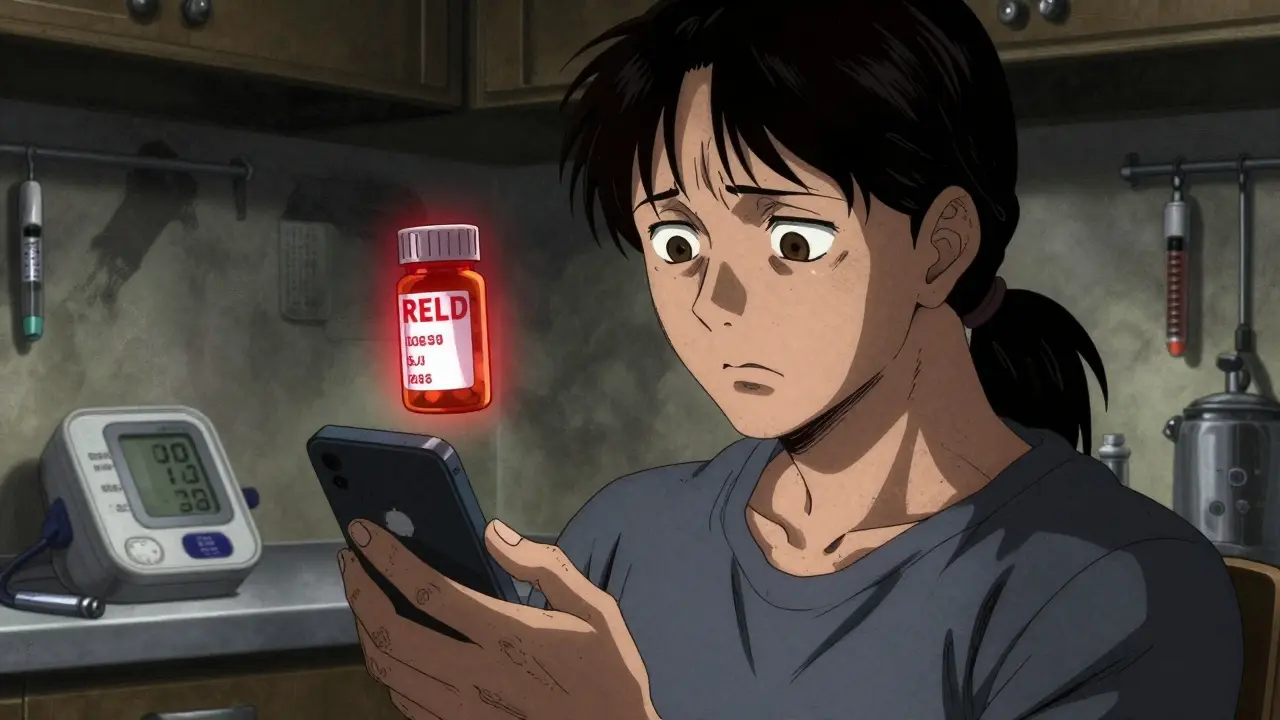

If your pill bottle suddenly shows up on a recall list, don’t panic. But don’t ignore it either. Every year, thousands of medications are pulled from shelves-not because they’re all dangerous, but because something’s off. Maybe the label is wrong. Maybe a batch got contaminated. Or maybe a chemical in the drug doesn’t meet safety standards. The medication recall isn’t a death sentence. It’s a warning. And how you respond makes all the difference.
Don’t Stop Taking Your Medicine Right Away
This is the biggest mistake people make. You see your drug on a recall list and think, "I’m out of here." You toss the bottle and skip your next dose. That’s risky. Far more dangerous than the recall itself.In 2022, the FDA warned patients taking recalled valsartan-used for high blood pressure-not to stop cold turkey. Why? Because missing doses can trigger strokes, heart attacks, or dangerous spikes in blood pressure. The same goes for diabetes meds, antidepressants, or seizure drugs. Abruptly stopping can cause rebound effects worse than the recall.
Here’s the rule: Keep taking your medication until your pharmacist or doctor tells you otherwise. The recall doesn’t mean the drug won’t work. It means there’s a flaw-maybe in one batch, maybe in the label. Your body still needs the treatment.
Check Your Lot Number and Expiration Date
Not every bottle of a recalled drug is affected. Only specific batches are. That’s why the recall notice will list exact lot numbers, NDC codes, or UPC barcodes.Look at the side of your pill bottle or box. You’ll see a string of letters and numbers-this is your lot number. Compare it to the one in the recall notice. If it matches, you’ve got the affected batch. If it doesn’t? You’re safe. No action needed.
According to FDA data, 45% of patients assume the entire drug is recalled. That’s why so many people stop taking their meds unnecessarily. Check the lot number. Don’t guess. Don’t assume.
Call Your Pharmacy First
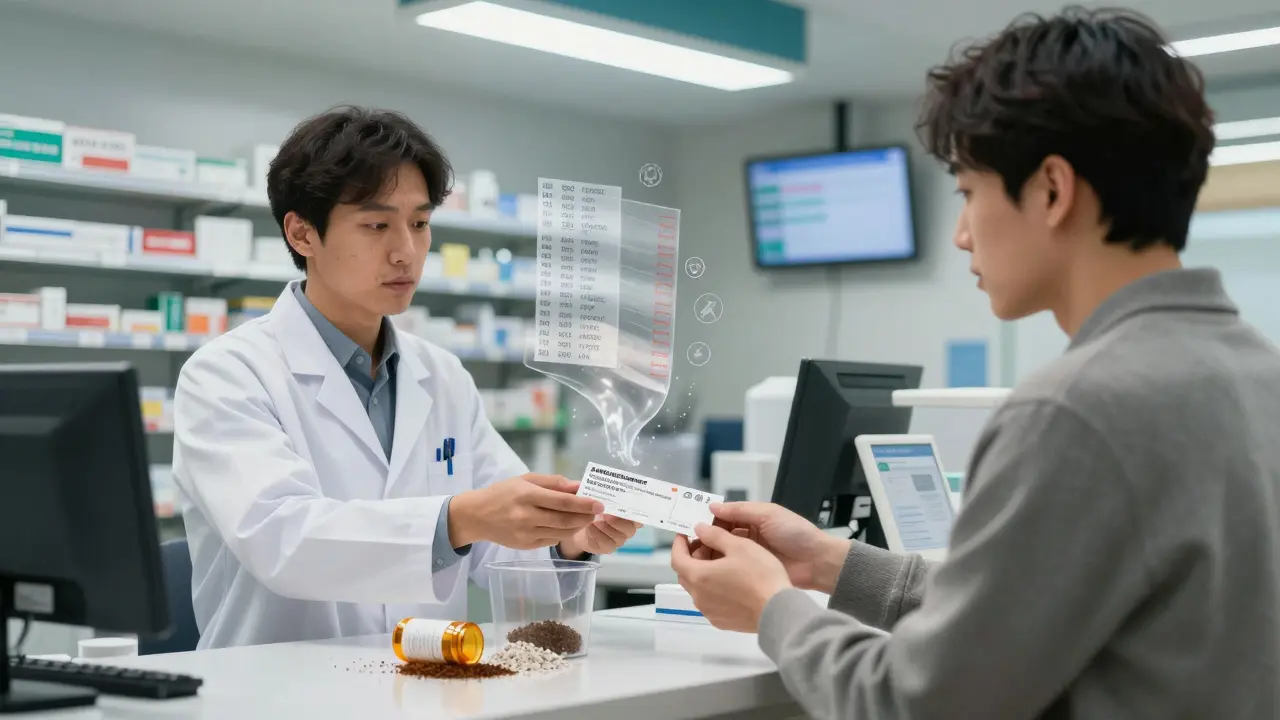
Your pharmacy knows more than you think. They get recall alerts directly from manufacturers and the FDA. Most pharmacies in the U.S. and Australia have protocols to handle recalls within 24 hours.Call them. Give them your name, your prescription number, and your lot number. They’ll check their system and tell you: Is your bottle affected? Do you need a replacement? Can you get a new supply today?
Pharmacies can often swap your recalled meds for a fresh batch from a different lot-no wait, no extra cost. In fact, 92% of pharmacies can replace recalled prescriptions within two days, according to the American Pharmacists Association. They’ll even help you get a different brand if needed.
Dispose of Recalled Meds the Right Way
If your pharmacy says to throw the pills away, don’t just toss them in the trash or flush them down the toilet. That’s unsafe-and illegal in many places.Here’s what to do:
- Take the pills out of the bottle.
- Mix them with something unappetizing-used coffee grounds, kitty litter, or even dirt.
- Put the mixture in a sealed plastic bag or container.
- Throw it in the regular trash.
This keeps kids, pets, or people scavenging through trash from getting into the meds. The FDA specifically recommends this method. Some pharmacies offer take-back bins, but if you’re not near one, this is your best bet.
Watch for Side Effects and Track Your Health
Even if your lot wasn’t affected, if you’ve taken any pills from the recalled batch, keep an eye out. Did you feel dizzy? Nauseous? Have an unusual rash? A sudden spike in blood pressure? These could be signs the medication caused harm.Write it down. Note the date, the symptom, and what dose you took. If you’re unsure, call your doctor. The FDA’s Adverse Event Reporting System (FAERS) got over 1.2 million reports in 2022-and 8% of those came from recalled drugs. Your report could help prevent others from getting hurt.
Don’t wait for symptoms to get worse. If something feels off, speak up. Keep your medication log updated. Include lot numbers and dates. People who do this resolve recall issues 60% faster than those who don’t.
Know the Recall Types
Not all recalls are the same. The FDA classifies them into three levels:- Class I: Highest risk. Could cause serious injury or death. About 15% of recalls. These need immediate action.
- Class II: Moderate risk. Might cause temporary health issues, like nausea or dizziness. These are common. Usually due to labeling errors or minor contamination.
- Class III: Lowest risk. Unlikely to cause harm. Often just a mislabeled bottle or wrong expiration date.
Most recalls-about 60%-are Class II or III. They’re corrections, not emergencies. But you still need to act. Even a wrong label can lead to dangerous mistakes, like taking too much or the wrong drug.
How to Check for Recalls Yourself
You don’t have to wait for a letter. You can check anytime.Go to the FDA’s website. Search by drug name, brand, or even the condition it treats. Use the dropdown to filter by "Drug" and check the recall date. You can even sign up for their RSS feed-45% of healthcare workers use it to get instant alerts.
Or, if you’re in Australia, check the TGA (Therapeutic Goods Administration) website. They handle recalls locally and update their database daily. Don’t rely on news sites or social media. Go straight to the source.
Common Mistakes to Avoid
Here’s what not to do:- Don’t stop your meds without talking to your doctor or pharmacist. 22% of patients do this-and it’s the leading cause of harm during recalls.
- Don’t ignore the lot number. 45% of people think the whole drug is bad. It’s not.
- Don’t flush pills. That pollutes water systems. 30% still do it.
- Don’t wait for a letter. Recalls are posted online immediately. Check before you panic.
What’s Being Done to Improve This?
The system is getting better. In 2023, the FDA started working with pharmacy benefit managers to send recall alerts directly to patients’ phones or online portals. Pilot programs show a 35% faster response rate when patients get alerts this way.Drugmakers are also improving labeling and packaging. Blood pressure meds like valsartan made up 18% of Class I recalls in 2022. Now, stricter testing is in place. Diabetes and cancer drugs are next on the list for tighter controls.
Still, the system relies on you. Your attention. Your quick action. Your willingness to check the lot number and call your pharmacy.
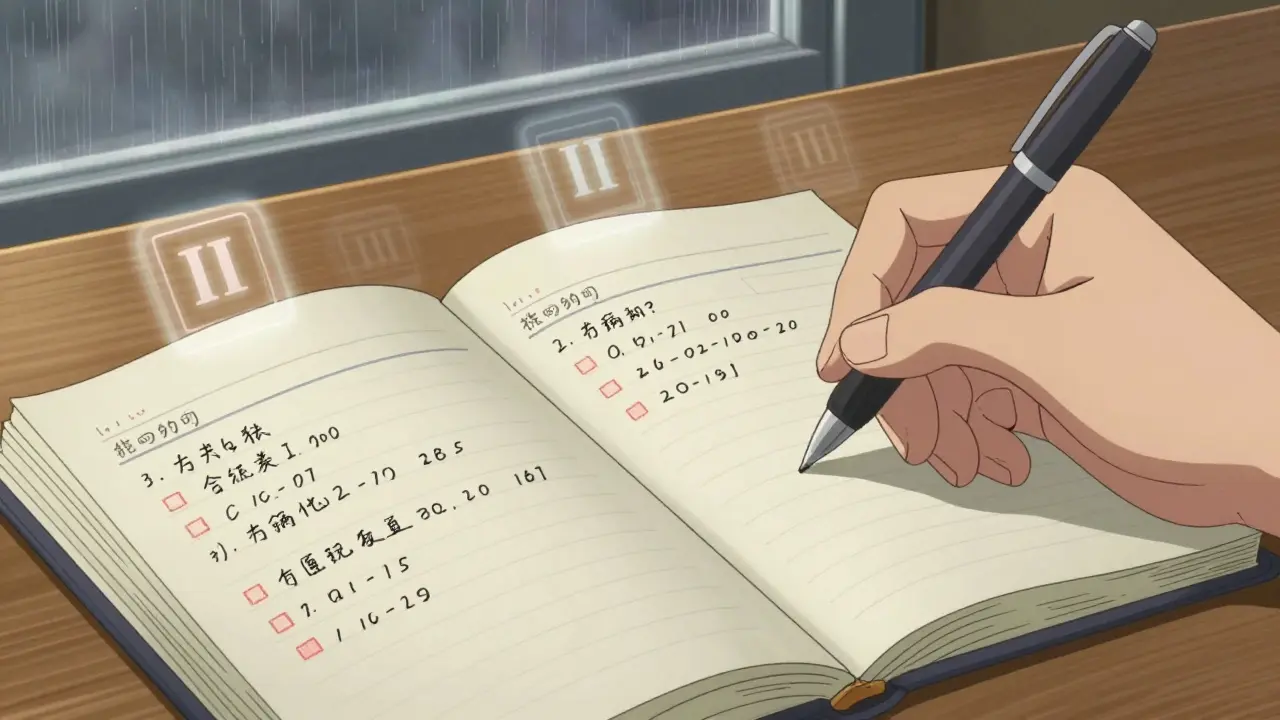
Keep a Medication Log
This is the simplest, most powerful thing you can do. Keep a notebook-or use your phone-to record:- Drug name (brand and generic)
- Dosage
- Lot number
- Expiration date
- When you filled it
When a recall happens, you won’t need to dig through drawers. You’ll know instantly if your bottle is affected. And if you ever have side effects, you’ll have a record to show your doctor.
Only 18% of patients do this. But those who do? They’re the ones who stay safe.
What should I do if I’ve already taken a recalled medication?
If you’ve taken a recalled drug, don’t panic. Most recalls are precautionary and don’t cause harm. Keep taking your medication unless told otherwise. Check your lot number to confirm if your bottle was affected. If it was, contact your pharmacy for a replacement. Monitor yourself for unusual symptoms like dizziness, nausea, or rashes. Write them down and call your doctor if anything seems off.
Are all batches of a recalled drug dangerous?
No. Only specific batches-identified by lot number-are recalled. Manufacturers produce thousands of bottles across multiple production runs. A flaw might only affect one batch due to a single error in mixing, labeling, or packaging. Always check your lot number against the recall notice before assuming your medication is unsafe.
Can I just throw away recalled pills in the trash?
No. Never throw pills directly into the trash or flush them. They can leak into water supplies or be found by children or pets. Instead, mix them with used coffee grounds, kitty litter, or dirt. Put the mixture in a sealed plastic bag, then throw it in the trash. This makes the pills unappealing and unusable. Some pharmacies offer take-back programs, but this method is safe and widely recommended by the FDA.
How do I know if my drug is recalled?
Check the FDA’s website or your country’s drug regulator (like Australia’s TGA). Search by your drug’s brand or generic name. Look for recall notices that list lot numbers, NDC codes, and expiration dates. You can also sign up for email or RSS alerts from the FDA. Don’t rely on social media or news headlines-go straight to the official source.
Why do drug recalls happen?
Most recalls-about 65%-are due to manufacturing issues like contamination or incorrect strength. Another 20% are from labeling errors, like wrong dosage instructions or missing warnings. Only 5% are from unexpected side effects. The rest come from packaging problems or expired stock. Recalls aren’t about the drug being unsafe overall-they’re about fixing specific mistakes in a batch.
What Comes Next?
If you’ve just found out your medication is recalled, you’re not alone. Thousands of people face this every year. But most of them handle it correctly because they know what to do: check the lot number, call the pharmacy, keep taking the medicine, and dispose of it safely.The system works best when you’re informed. Keep your medication log updated. Know where to check for recalls. Talk to your pharmacist like a partner in your care-not just a dispenser of pills. That’s how you stay safe, even when things go wrong.




doug b
28 Jan 2026 at 05:18Don’t stop your meds. Seriously. I’ve seen people panic and ditch their blood pressure pills-then end up in the ER. The recall isn’t a green light to go off-script. Keep taking it, call your pharmacy, done.