




Appointment Preparation Checklist & Tracker
How this works: Follow the essential checklist below and log your medications. Once ready, click "Generate Summary" to review everything you bring to your visit.
Essential Items Checklist
Medication List Generator
Based on health institute recommendations, provide these 6 details for every medication:
Symptom Diary Template
Your Visit Preparation Summary
Most of us hate sitting in the waiting room staring at old magazines, feeling completely unprepared for the few minutes we actually get with the specialist. You arrive hoping to fix a lingering problem, but leave with vague instructions and a sinking feeling that you forgot to ask something vital. This happens way too often because the pressure of the moment makes it hard to think clearly.
Getting ready for a Doctor Appointment isn't just about filling out a form before you walk in. It’s about controlling the narrative of your own health care. Research from major health organizations shows that patients who organize their information ahead of time see significantly better outcomes. Specifically, bringing a detailed Medication List that includes dosage and purpose can reduce errors by nearly 40%.
The Essential Checklist for Your Bag
You wouldn’t travel without your passport, so treat your medical documents with the same respect. There are a few non-negotiable items you need in your physical bag or digital wallet before heading out. First off, identification is critical. In Australia, your Medicare card is the baseline, but carrying a government-issued photo ID alongside it ensures smooth processing at reception.
Beyond paperwork, your medication history is the gold mine of information for any physician. If you manage complex conditions or take supplements, a generic list won't cut it. Major health institutes suggest documenting six specific details for every single thing you swallow:
- Drug Name: Brand or generic name.
- Strength: Exact milligram measurement (e.g., 15mg).
- Dosage: How much you take per dose (e.g., half tablet).
- Frequency: When you take it (e.g., twice daily).
- Purpose: Why you are taking it (e.g., blood pressure management).
- Date Started: Roughly when the prescription began.
Don’t forget the "as-needed" medications people often hide from doctors. Things like rescue inhalers, nitroglycerin, or even over-the-counter painkillers matter. Omitting these creates blind spots that lead to dangerous interactions later.
Crafting Your Symptom Diary
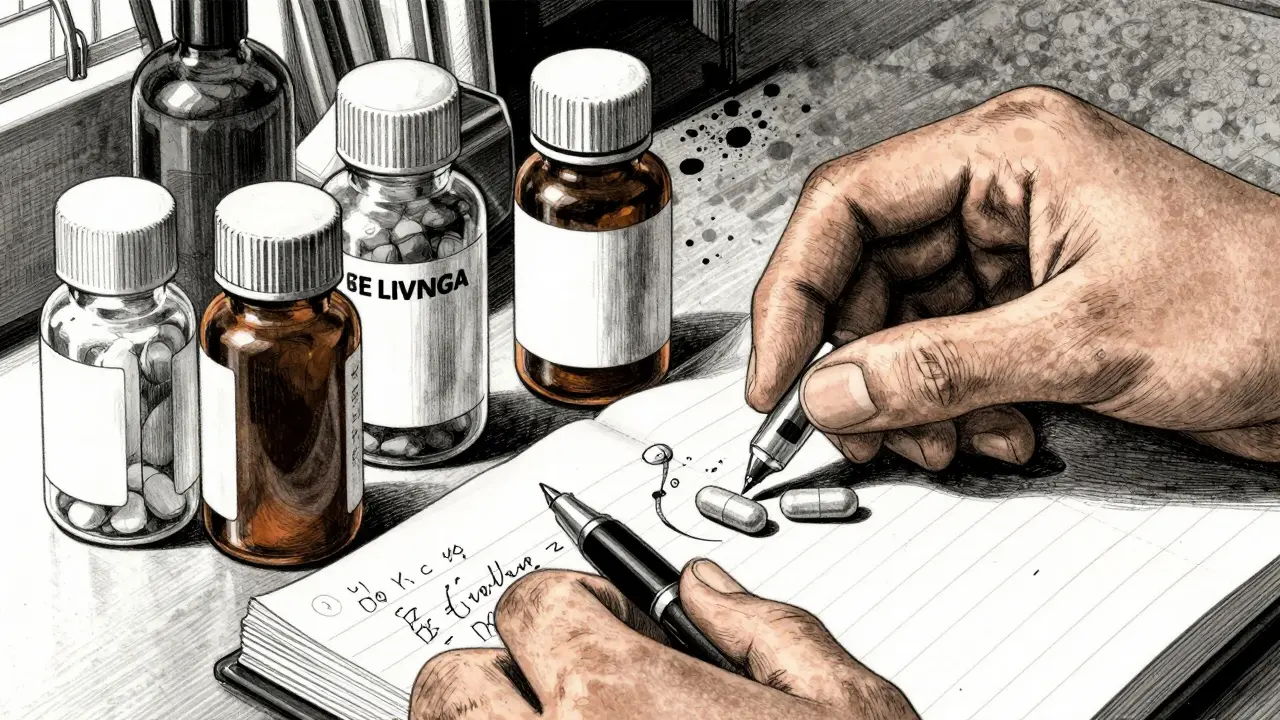
Remembering exactly how you felt two weeks ago is tough. By the time you sit down, the memory of that sharp pain might have faded. That is why creating a written record changes the conversation entirely. Instead of saying "I feel tired," try documenting patterns.
You should capture four key dimensions for any issue bothering you:
- Onset: When did it first happen?
- Duration: Does it last for hours or all day?
- Intensity: Rate it on a scale of 1 to 10.
- Triggers: Does food, exercise, or stress make it worse?
Healthcare data indicates that symptom documentation with specific temporal markers leads to faster diagnoses. One study noted that nearly 70% of wellness visits fail to address underlying issues simply because patients underreported details. Writing this down forces you to be precise before you even walk through the door.
The Right Questions to Ask
Silence is common in exam rooms, but asking the right things bridges the gap between assumption and understanding. Experts from leading clinics emphasize asking seven core questions to drive decision-making. Start with the basics: "Why are you recommending this test?" This simple query clarifies if a procedure is routine or urgent.
Next, dig into safety. Always ask, "Are there side effects I should watch for?" Don't let embarrassment stop you from being personal, either. Asking, "What would you recommend if I were your family member?" removes professional distance and gives you a grounded perspective on risk versus benefit.
Finally, clarify the next steps immediately. Many patients leave thinking they understand, only to realize days later they missed a deadline or didn't know how to prepare for the next phase. Make sure you know the timeline before you exit the clinic.

Using Technology to Your Advantage
We live in 2026, and relying solely on paper is outdated. Most providers now use Electronic Health Records accessible via patient portals. These platforms allow you to upload your Medical History directly, sometimes saving 20 minutes of wait time.
Check your provider's app a week before your visit. Many now feature pre-visit symptom checkers. Using these tools not only speeds up check-in but alerts your doctor to red flags before they review your file. Digital integration means your pharmacy records can sync automatically, reducing the chance you'll forget a refill date or a recent change in strength.
| Factor | Unprepared Visit | Prepared Visit |
|---|---|---|
| Resolution Rate | 63% primary issues resolved | 89% primary issues resolved |
| Appointment Time Used | High administrative overhead | Efficient clinical focus |
| Medication Accuracy | Risk of 45% discrepancy | Nearly zero discrepancies |
| Patient Confidence | Low clarity on next steps | Clear action plan provided |
Troubleshooting Common Barriers
Sometimes life gets in the way. Maybe you ran out of time to print your records, or the portal was down. In those cases, prioritize the top three items: your current medication bottle, your most recent lab results, and a handwritten note of your top concern.
If you realize you forgot your ID, many modern clinics accept digital copies via secure messaging apps. Don't panic and reschedule unless it's mandatory for payment verification. Efficiency drops significantly when you arrive late, so factor in parking time and traffic, especially if this is a new location.
Do I need to bring my old files from previous doctors?
It is highly recommended. While systems are improving, gaps in data transfer between different clinics still occur. Physical folders with scans of imaging reports ensure continuity of care, preventing repeat tests.
How far in advance should I arrive?
Aim to arrive 15 to 25 minutes early. This buffer allows for parking and wayfinding without causing stress. Late arrivals often result in shortened consultations or cancellations.
Should I bring a friend or family member?
Yes, if possible. A second set of ears helps remember details you might miss due to anxiety. They can also advocate for you if communication becomes difficult during the examination.
What if I am unsure about my medication doses?
Bring the actual boxes or bottles. If they are empty, note the label details or call your local pharmacy to request a refill history to be printed for you.
Can I skip listing over-the-counter medicines?
No. Supplements and OTC drugs interact with prescriptions. Even vitamins or herbal remedies count as part of your full medication regimen and should be disclosed.
Taking charge of your appointment preparation transforms a stressful obligation into a strategic step toward wellness. By organizing your details, asking targeted questions, and using available technology, you ensure your time with the specialist counts. Every minute saved on admin is a minute spent on your recovery.









Owen Barnes
1 Apr 2026 at 14:10I really believe preparing ahead saves so much time for everyone involved in healthcare systems. Many folks just show up with empty pockets hoping their doctor remembers what happened last year. That is simply not how these appointments funtion anymore when you think about it closely enough. Writing down every single pill helps the specialist understand your routine better than memory alone. You might forget a vitamin supplement because it feels less important than a prescription drug bottle. Those interactions can change how your blood pressure reacts to certain morning doses significantly. Having a physical list ensures you arent relying on digital records that might be disconnected today. It also gives you a sense of control when walking into a sterile exam room full of nervous tension. Doctors appriciate patients who come ready to work with them on solutions rather than complaints. This approach shifts the dynamic from passive waiting to active partnership effectively. Even listing when you started taking each item helps track patterns over months or years easily. You can see exactly what changes align with symptom flare ups during your checkups consistantly. Taking notes during the visit itself creates a record for next time without guessing later. It stops the stress of wondering if you mentioned that side effect you felt Tuesday. Preparation builds confidence which makes the actual diagnosis process feel less scary overall. Everyone deserves respect but bringing your own data shows you take ownership of your health journey seriously.