


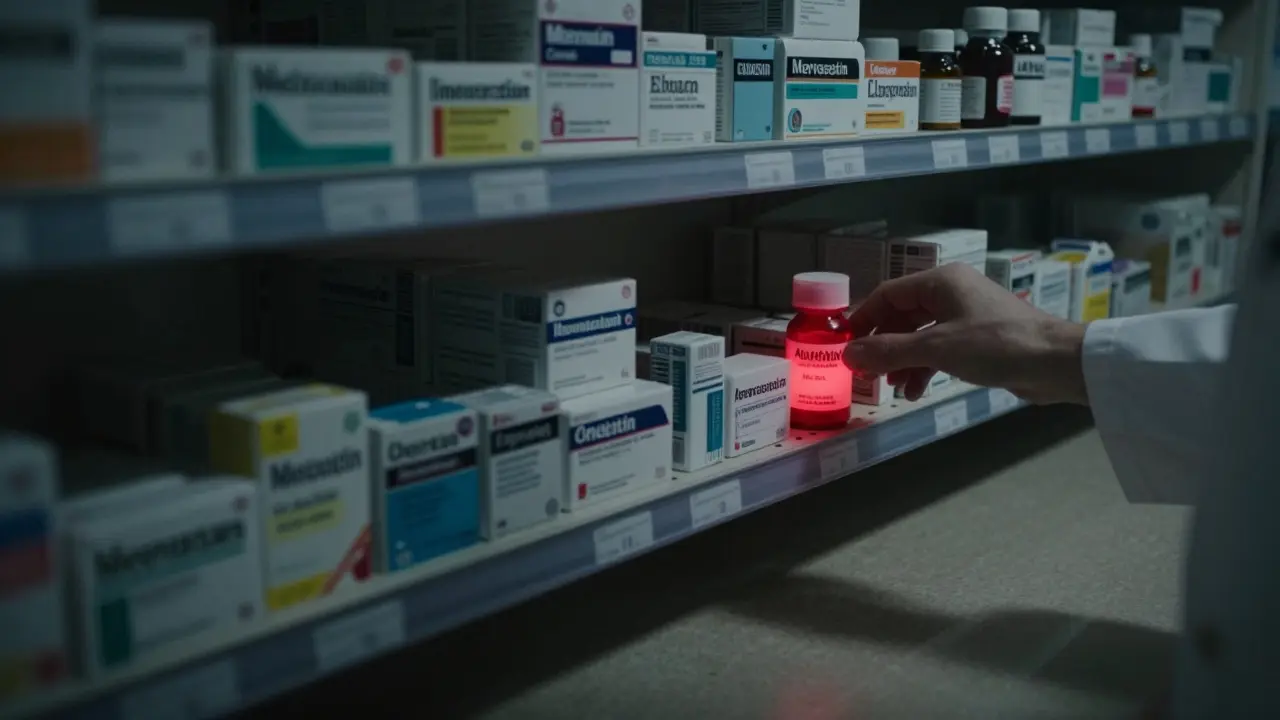

Most pharmacies carry hundreds of medications, but generic drugs make up 90% of prescriptions filled and only 20% of the total drug spending. That’s not a mistake-it’s a massive opportunity. If you’re still stocking generics the same way you did five years ago, you’re leaving money on the table and risking stockouts that lose customers. The key isn’t just having more generics on the shelf. It’s having the right generics, in the right amounts, at the right time.
Why Generic Stocking Is Different From Brand-Name Inventory
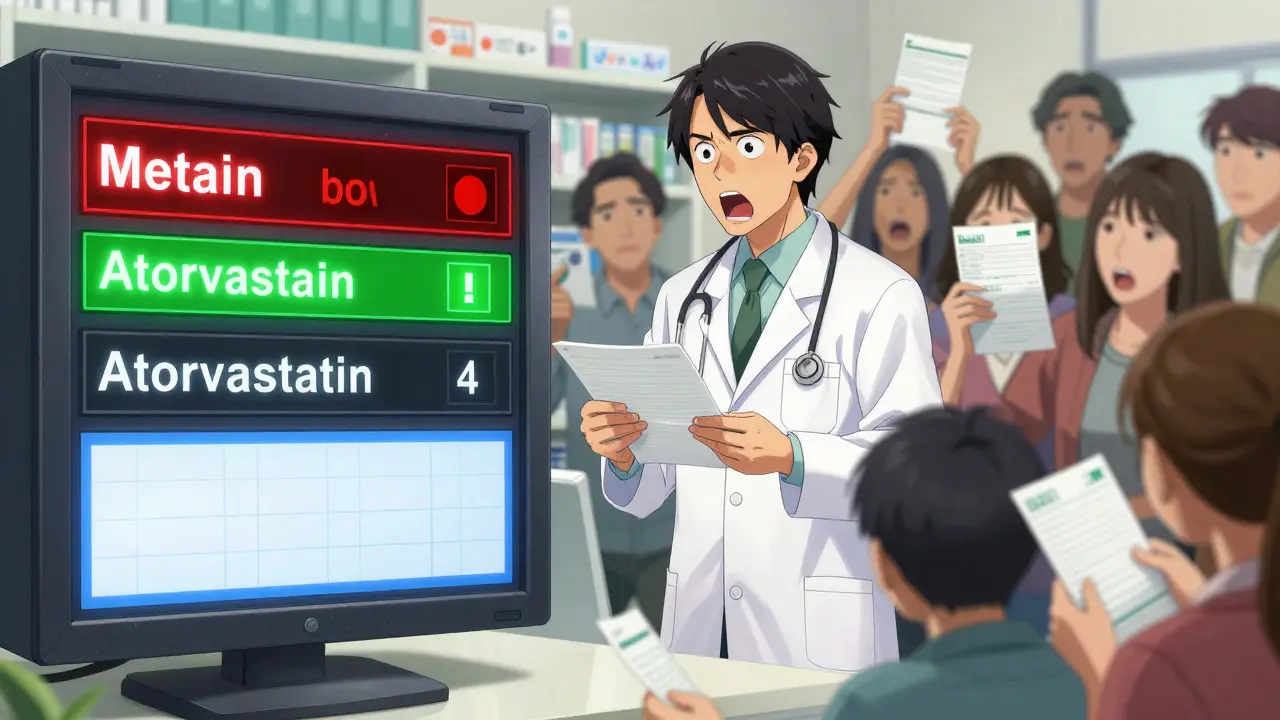
Generic drugs aren’t just cheaper versions of brand-name pills. They’re dynamic. When a patent expires, five or six new generic versions can flood the market within weeks. Demand for the original brand drops fast-but not always evenly. Some patients stick with the brand. Others switch immediately. Prescribers change their preferences. Insurance formularies shift. And if your inventory system doesn’t adapt, you end up stuck with $3,000 worth of expired atorvastatin while your shelves run dry on metformin.Brand-name drugs often have stable, predictable demand. Generics? Their sales can spike or crash overnight. A new generic for a common blood pressure med might sell 500 units in its first month, then drop to 200 after three months as competition kicks in. You can’t manage that with monthly orders and guesswork.
The 80/20 Rule in Pharmacy Inventory
In pharmacy inventory, 80% of your drug costs come from just 20% of your products. The good news? That 20% is usually the high-volume, low-cost generics. The bad news? Most pharmacies treat all generics the same. They set a fixed minimum stock level for everything-from $0.10 antacids to $15 insulin generics-and wonder why they’re always overstocked or out of stock.Effective generic stocking means treating your inventory like a living system. Fast-moving generics-like ibuprofen, levothyroxine, metformin, and omeprazole-need frequent, small orders. Slow-movers-like rare hormone replacements or specialty generics-should be ordered only when needed. Use your point-of-sale data. Look at your top 20 generic SKUs. How many units do you sell per week? How often do you run out? That’s your starting point.
How to Calculate Your Reorder Point for Generics
Forget monthly budgets. Use this formula: Reorder Point (ROP) = (Average Daily Usage × Lead Time) + Safety Stock.- Average Daily Usage: Pull your sales data for the last 90 days. Divide total units sold by 90. For metformin 500mg, maybe it’s 8 units per day.
- Lead Time: How many days does it take your supplier to deliver? For most independent pharmacies, it’s 3-5 days. For some specialty generics, it could be 10.
- Safety Stock: This is your buffer. Add 1-2 days’ worth of usage to account for delays or sudden spikes. If you sell 8 metformin tablets a day, keep 8-16 extra on hand.
So if your metformin lead time is 4 days and you sell 8 per day, your ROP is (8 × 4) + 16 = 48 units. When your stock hits 48, trigger an order. Not when you’re down to 10. Not when your manager says “we’re running low.” When the system says so.
Use the Minimum-Maximum Method for Generics
This is the simplest, most reliable method for independent pharmacies. Set a minimum and maximum stock level for each generic. Never let inventory drop below the minimum. Never let it go above the maximum.For fast-moving generics like antacids or laxatives, set your minimum at 7 days’ supply and your maximum at 14 days. That’s enough to cover weekends, supplier delays, or holiday spikes. For slower movers, like a generic for a rare thyroid condition, set the minimum at 2 weeks and the maximum at 6 weeks. That keeps you from tying up cash in pills that sit for months.
Here’s what works in real pharmacies:
| Turnover Rate | Minimum Stock | Maximum Stock | Order Frequency |
|---|---|---|---|
| High (e.g., metformin, omeprazole) | 7 days | 14 days | Every 3-5 days |
| Medium (e.g., simvastatin, lisinopril) | 10 days | 21 days | Weekly |
| Low (e.g., specialty generics) | 14 days | 60 days | Monthly or on-demand |
Track Expiry Dates Like Your Business Depends on It-Because It Does
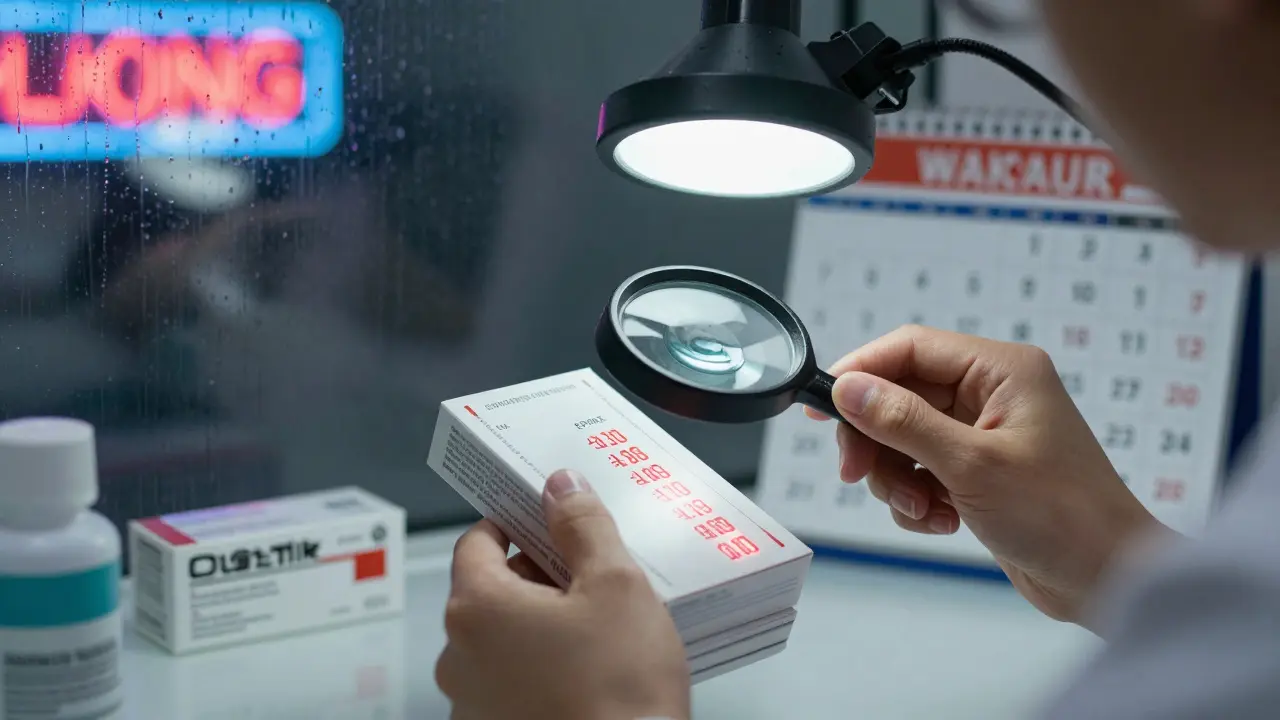
Generics often have shorter shelf lives than brand-name drugs. Why? Because manufacturers cut costs on packaging and storage stability. A 180-day supply of generic atorvastatin might expire in 18 months. But if you order 360 days’ worth because you got a bulk discount, you’re risking $2,000 in waste.Use your inventory software to flag generics that are within 3 months of expiry. Set up a daily alert. When something’s nearing expiry, offer it to patients with refill reminders. Don’t wait for it to sit on the shelf. One pharmacy in Melbourne cut expired generic waste by 40% in six months just by running weekly expiry reports and offering discounts on soon-to-expire meds.
How New Generics Change Everything
When a new generic hits the market, your brand-name drug’s sales don’t just drop-they collapse. One day, you’re selling 20 bottles of the brand-name statin. The next, you’re selling zero. If you don’t adjust your inventory system immediately, you’re stuck with obsolete stock.Best practice: As soon as a new generic is approved, reduce your order size for the brand-name version by 50%. Increase the generic order by 200%. Why 200%? Because patients who were on the brand will switch. Prescribers will start writing the generic. And some patients will stock up early, thinking they’ll save money. That spike lasts 2-4 weeks. After that, demand settles at 80-90% lower than the brand’s peak.
Pharmacies that use software with “generic transition alerts” see 28% fewer inventory imbalances during these shifts. If your system doesn’t have that feature, manually adjust your reorder points the day you hear about the new generic. Don’t wait for your supplier to notify you.
Staff Training and SOPs Are Non-Negotiable
No software fixes bad habits. If your pharmacy techs don’t log returns correctly, or if they skip cycle counts, your inventory numbers are garbage. And if your staff doesn’t know how to respond when a generic is out of stock, you lose sales-and trust.Here’s what you need to train your team on:
- How to enter new generics into the system with correct lot numbers and expiry dates
- How to return unclaimed prescriptions within 24 hours (this cuts inventory errors by 22%)
- How to flag a generic that’s been out of stock for more than 48 hours
- When to suggest a therapeutic interchange to a patient (if your state allows it)
Create a one-page SOP for generic inventory management. Post it by the receiving desk. Review it with staff every month. Make it part of their onboarding. This isn’t optional. It’s the difference between a pharmacy that runs smoothly and one that’s always in chaos.
What Happens When You Get It Right
One independent pharmacy in Geelong reduced its generic inventory costs by 18% in six months. How? They stopped ordering by volume and started ordering by demand. They used their POS data to set dynamic minimums and maximums. They flagged expiries weekly. They adjusted orders the same day a new generic entered the market.Result? Stockouts dropped by 15%. Expired stock fell by 40%. Cash flow improved because they weren’t tying up money in slow-moving pills. Patients noticed. They didn’t have to wait for backorders. They didn’t have to drive to another pharmacy.
On the flip side, a pharmacy in Ballarat didn’t update their system after a new generic for metformin launched. They kept ordering the brand-name version. Three months later, they had $3,200 in expired inventory. And they lost 12 patients who switched to a competitor who always had the generic in stock.
What You Need to Do Today
You don’t need fancy AI or expensive software to fix your generic inventory. Start here:- Run a report of your top 20 generic drugs by sales volume.
- Calculate the average daily usage for each over the last 90 days.
- Set a minimum and maximum stock level using the 7-14 day rule for fast-movers.
- Enable expiry alerts in your system. Check them every Monday.
- When a new generic launches, manually reduce your brand-name order by 50% and double the generic order.
- Train your staff on returning unclaimed prescriptions within 24 hours.
Do that, and in 60 days, you’ll be managing your generic inventory like a pro-not a guesser.




Alex Warden
1 Jan 2026 at 01:20This is the dumbest thing I've read all week. Who the hell orders generics by daily usage? You think pharmacies are Amazon warehouses? We got patients walking in at 7am needing their blood pressure meds and you're sitting there crunching numbers like some data nerd. Just keep stock on the shelf and move on.