


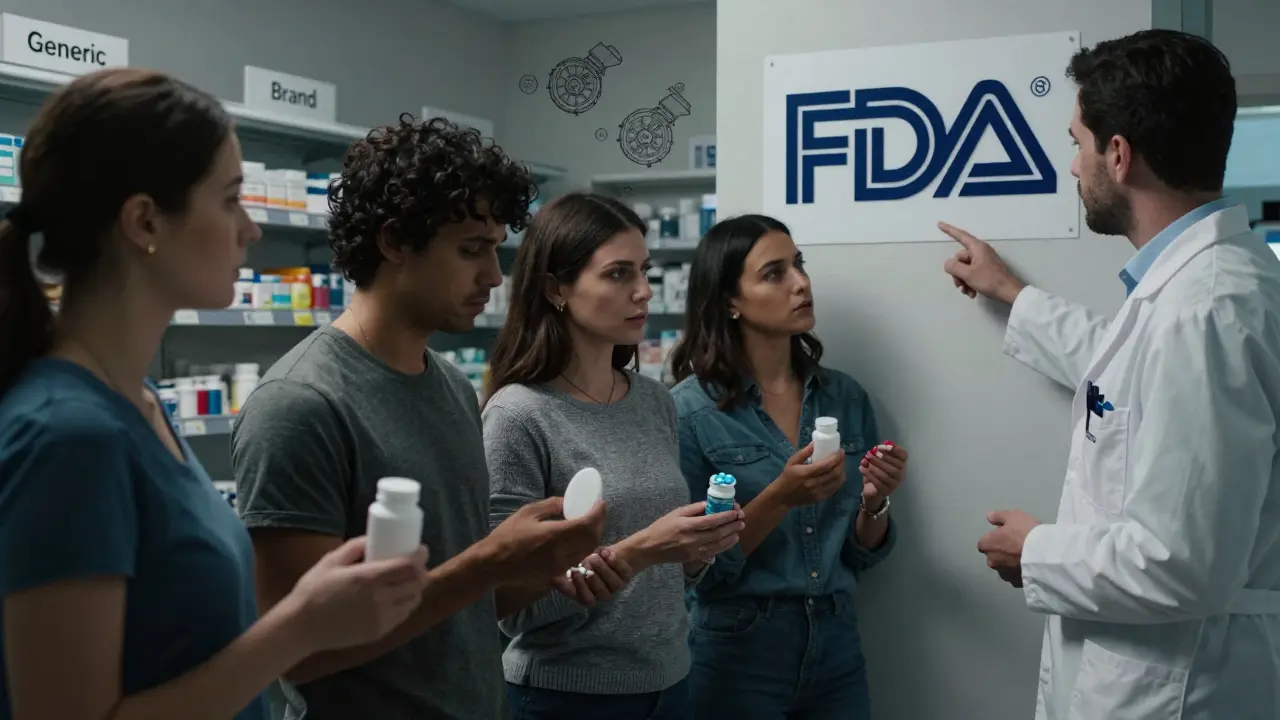

When you pick up a prescription, you might notice your pill looks different-smaller, white instead of blue, or with a different logo. If you’ve ever wondered, "Is this really the same as the brand-name drug?" you’re not alone. Many patients worry that generics are weaker, less safe, or even fake. The truth? Generic medications are just as effective and safe as their brand-name counterparts. But understanding why takes a few clear answers to the most common questions.
Are generic drugs really the same as brand-name drugs?
Yes. By law, a generic drug must contain the same active ingredient, in the same strength, and work the same way as the brand-name version. The U.S. Food and Drug Administration (FDA) doesn’t approve a generic unless it proves it delivers the same amount of medicine into your bloodstream at the same rate. This is called bioequivalence. The FDA requires that the generic’s absorption falls between 80% and 125% of the brand-name drug. That’s not a wide range-it’s tight enough to ensure your body responds the same way.
Think of it like two identical engines. One is built by the original manufacturer, the other by a different company. Both use the same fuel, the same parts, and produce the same power. The outside might look different, but under the hood? Identical.
Why do generic pills look different?
Generics can look different because the inactive ingredients-like fillers, dyes, or coatings-are not required to match the brand-name drug. These parts don’t affect how the medicine works. They just help form the pill, make it easier to swallow, or prevent it from breaking down too early in your stomach.
That’s why your generic might be a white oval instead of a blue capsule. It doesn’t mean it’s weaker. It just means the manufacturer used a different coating or filler. If you’ve ever switched from one brand to another (say, from Advil to a store-brand ibuprofen), you’ve seen this before. Same active ingredient. Different look.
Do generics cause more side effects?
No. Side effects come from the active ingredient, not the filler or color. If a brand-name drug gives you dizziness or nausea, the generic version will too-because it has the same active ingredient. Some patients report feeling worse after switching, but that’s often because they’re noticing side effects they didn’t pay attention to before, or because their body is adjusting to a new pill shape or size.
One common myth: "Generics have more chemicals to make them stronger." That’s not true. Generics don’t contain extra active ingredients. In fact, they contain exactly the same amount. Any difference in how you feel is likely due to placebo effect, anxiety about the change, or unrelated factors like stress or diet.
Can generic drugs be counterfeit or fake?
Not if they’re approved by the FDA. All generic drugs sold legally in the U.S. must go through the same strict manufacturing standards as brand-name drugs. The FDA inspects every facility that makes generics-whether it’s in the U.S., India, or elsewhere. Since 2018, the FDA’s Risk Identification and Correction Action Program has fixed over 1,200 quality issues before pills reached patients.
Counterfeit drugs are a real problem in some countries, but they don’t enter the legal U.S. supply chain. If your pharmacy is licensed and you’re getting your medicine from a reputable source, your generic is real.
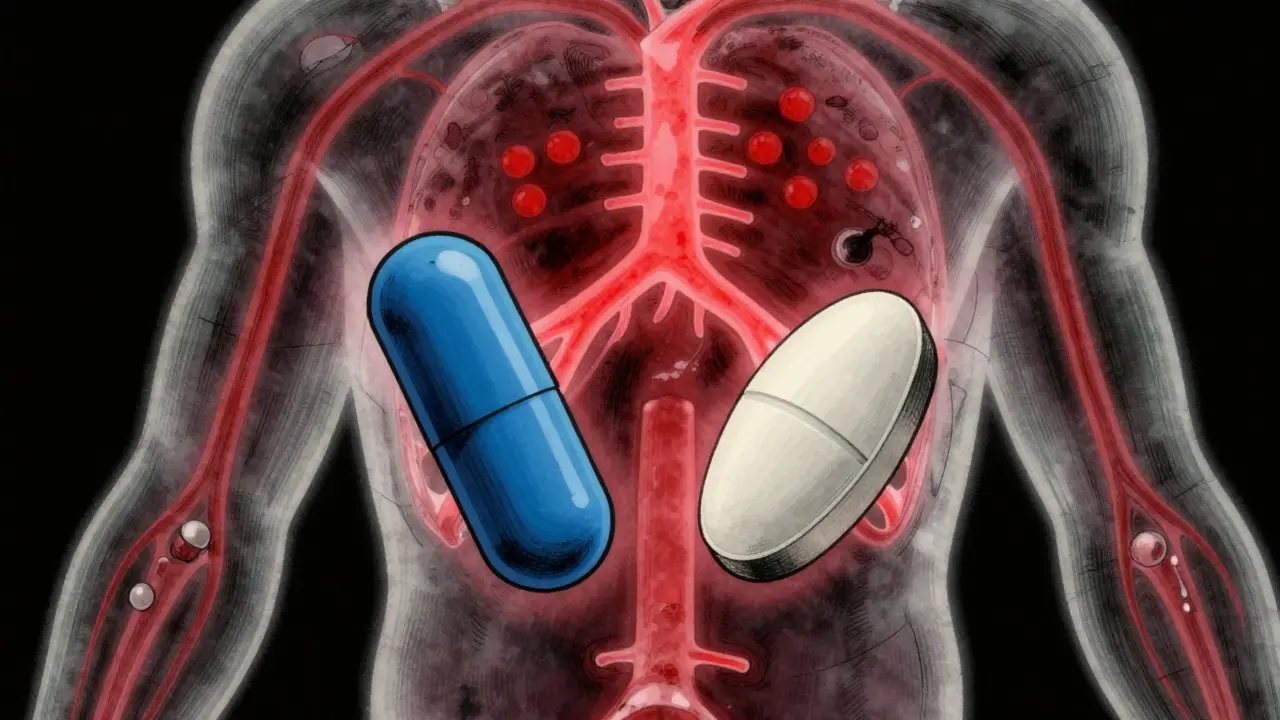
Why are generics so much cheaper?
Brand-name drugs cost a lot because the company had to pay for years of research, clinical trials, and marketing. Once the patent expires, other companies can make the same drug without repeating those expensive steps. They don’t need to prove the drug works again-they just need to prove it works the same way.
That’s why generics cost 80-85% less. In 2022 alone, generic drugs saved the U.S. healthcare system over $442 per prescription on average. Over the past decade, that adds up to $2.2 trillion in savings. You’re not paying for R&D-you’re paying for the pill itself.
Are there any cases where generics aren’t a good idea?
Yes-but only for a small group of medications. Some drugs have a "narrow therapeutic index," meaning the difference between a helpful dose and a harmful one is very small. Examples include:
- Warfarin (a blood thinner)
- Levothyroxine (for thyroid conditions)
- Phenytoin and levetiracetam (for seizures)
For these, doctors may recommend sticking with one version-brand or generic-because even tiny differences in absorption could affect how well it works. If you’re on one of these, your doctor or pharmacist will let you know. But even then, switching isn’t dangerous-it just requires closer monitoring. Many patients switch successfully with no issues.
Why do some people trust brand-name drugs more?
It’s not about science-it’s about perception. A 2014 survey found that while 87% of patients believed generics were just as effective, 16% still doubted it. Some of that comes from marketing. Brand-name drugs spend millions on TV ads, making them feel more "real" or trusted. Others hear stories from friends: "My aunt switched and felt awful." But those stories often lack context. Maybe she changed diets. Maybe she was stressed. Or maybe she just noticed side effects she hadn’t noticed before.
Studies also show that non-Caucasian patients are more likely to ask for brand-name drugs. This points to deeper issues: lack of trust in the system, language barriers, or past experiences with poor care. The solution? Clear, respectful conversations with your pharmacist or doctor. Ask: "Why do you recommend this?" "Is there a cheaper option?" You have the right to know.
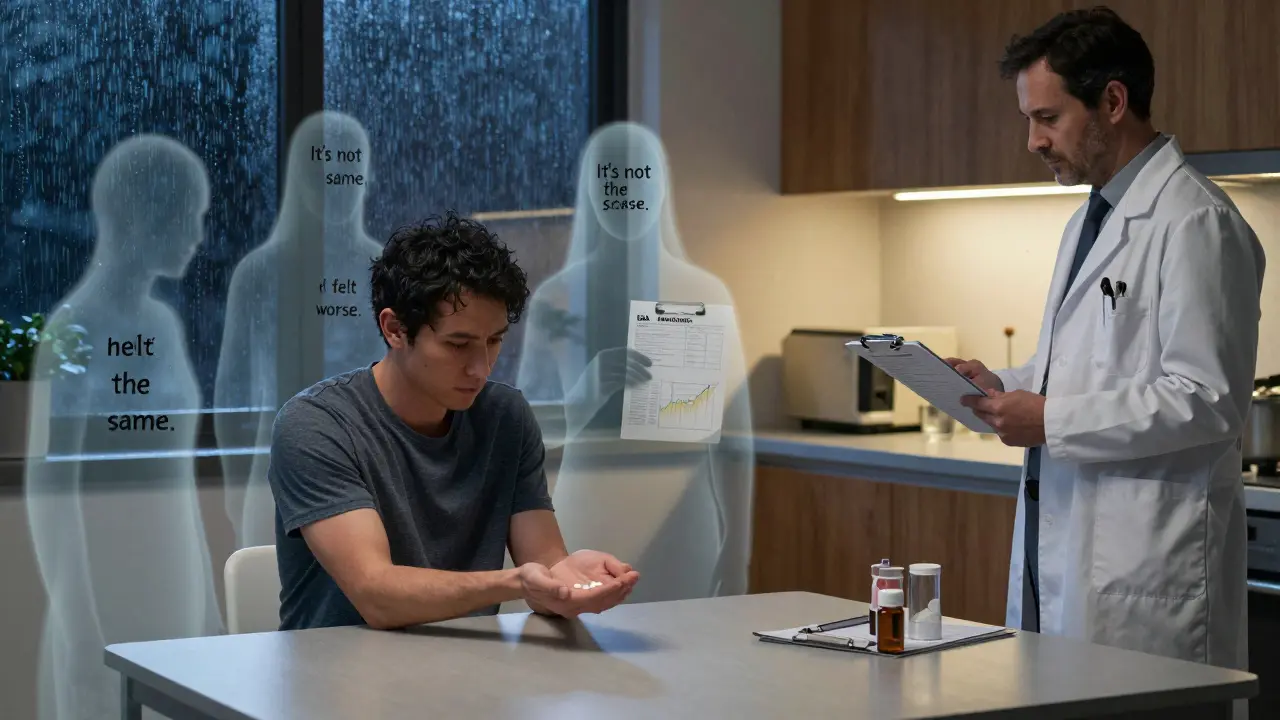
Can your pharmacist switch your drug without asking?
It depends. In most states, pharmacists can substitute a generic unless the doctor writes "Do not substitute" on the prescription. If your doctor didn’t write that, the pharmacist can legally swap it-and often does, to save you money.
But pharmacists are also trained to answer your questions. If you’re unsure, ask: "Is this a generic?" "Is it safe to switch?" Most will gladly explain. Pharmacists are medication experts, not just pill dispensers. They can help you understand why a switch might be safe-or why you should stay on your current version.
What should you do if you feel different after switching?
Don’t stop taking your medicine. Call your doctor or pharmacist. They’ll ask:
- What symptoms are you having?
- When did they start?
- Have you changed anything else-sleep, diet, stress?
Most of the time, it’s not the drug. But if your doctor thinks the switch might be the issue, they can request the brand-name version. Some insurance plans allow exceptions for medical necessity. And if you’re on a narrow therapeutic index drug, your provider may want to check your blood levels to make sure you’re still in the safe range.
Is it okay to switch back and forth between brand and generic?
For most drugs, yes. But for drugs with a narrow therapeutic index, frequent switching isn’t recommended. Your body needs consistency. If you keep switching between versions, it’s harder to tell if a side effect came from the drug or the change itself.
If you’re stable on a generic, stick with it. If you’re stable on a brand, stay there. Unless cost is a problem, there’s no need to flip-flop. Consistency helps your body stay balanced.
How can you save money without sacrificing safety?
- Always ask: "Is there a generic version?" Even if your doctor didn’t suggest it.
- Use mail-order pharmacies or discount programs (like GoodRx) to compare prices.
- Ask your pharmacist if a higher-dose generic can be split (like a 50mg pill cut in half) to save money.
- Check if your insurance covers a specific generic-sometimes one brand’s generic is cheaper than another’s.
Generic drugs aren’t a compromise. They’re the same medicine, at a fraction of the cost. Millions of people use them safely every day. You can too.
Are generic drugs as effective as brand-name drugs?
Yes. The FDA requires that generic drugs deliver the same amount of active ingredient into your bloodstream at the same rate as the brand-name version. This is called bioequivalence. Studies show that generics work just as well for nearly all conditions. In fact, 90% of all prescriptions in the U.S. are filled with generics because they’re proven safe and effective.
Why do generics cost so much less?
Brand-name drugs require years of expensive research and clinical trials before they can be sold. Once the patent expires, other companies can make the same drug without repeating those costs. They only need to prove bioequivalence, which is faster and cheaper. Multiple manufacturers competing to make the same generic also drives prices down-often by 80-85%.
Can I trust generic drugs made outside the U.S.?
Yes, if they’re sold legally in the U.S. The FDA inspects all manufacturing facilities-whether they’re in the U.S., India, China, or elsewhere. All drugs sold here must meet the same quality, safety, and purity standards. The FDA has flagged and blocked shipments from facilities that don’t comply. If your pharmacy is licensed and you’re buying from a U.S. source, your generic is regulated and safe.
Do generics have more side effects?
No. Side effects come from the active ingredient, not the fillers or colors. If you had side effects with the brand-name drug, you’ll likely have the same ones with the generic. Some people notice side effects after switching because they’re paying more attention to their body-but that doesn’t mean the drug is worse. If symptoms are new or severe, talk to your pharmacist or doctor.
When should I avoid switching to a generic?
For drugs with a narrow therapeutic index-like warfarin, levothyroxine, or certain seizure medications-your doctor may recommend staying on one version to avoid small changes in how your body responds. Even then, switching isn’t unsafe; it just requires closer monitoring. Always discuss changes with your provider before switching.
If you’re worried about your medication, you’re not being paranoid-you’re being smart. The best thing you can do is ask questions. Your pharmacist is there to help. Your doctor is there to listen. And the science? It’s on your side.



becca roberts
17 Mar 2026 at 14:20So let me get this straight - we’re telling people to trust a white oval pill that costs $4 because a government agency says it’s ‘bioequivalent’? Meanwhile, my grandma’s 1998 prescription bottle still has the brand name on it and she swears by it. Funny how marketing makes you feel safer even when science says otherwise. I get it. I really do. But let’s not pretend this isn’t also about corporate cost-cutting dressed up as patient empowerment.